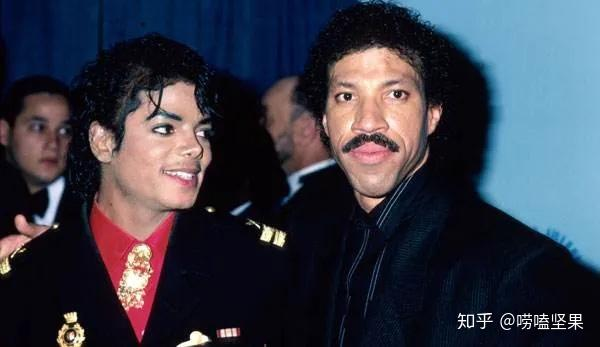
The concept of “One World, One Family” transcends simple political slogans, representing a profound philosophical shift toward global interconnectedness. In an era defined by rapid technological advancement and shared global challenges, understanding this principle is essential for navigating the complexities of modern international relations and cultural exchange.
The Philosophical Foundations of One World, One Family
At its core, the “One World, One Family” ideology suggests that despite geographic, linguistic, and cultural boundaries, humanity shares a singular destiny. This section explores the “Why” behind the movement, looking at the ethical imperatives that drive global cooperation.
Historical Context and Evolution
The roots of this concept can be traced back to ancient philosophies such as the Sanskrit phrase “Vasudhaiva Kutumbakam” and the Hellenistic idea of Cosmopolitanism. Historically, these ideas emerged during periods of increased trade and exploration, where different civilizations first began to recognize their mutual dependence. In the 21st century, this has evolved into a strategic framework for addressing climate change, pandemics, and economic stability.
The Principle of Shared Responsibility
A key pillar of this philosophy is the transition from national self-interest to collective responsibility. This involves recognizing that the actions of one nation—whether environmental or economic—have a ripple effect across the entire global ecosystem.

Practical Implementation and Global Cooperation
Moving from theory to practice requires robust frameworks. Global unity is not merely an abstract ideal but a functional necessity for the modern world.
| Pillar of Unity | Key Focus Area | Global Impact |
|---|---|---|
| Cultural Exchange | Education and Tourism | Reduction in systemic prejudice and xenophobia. |
| Economic Integration | Fair Trade and Digital Markets | Shared prosperity and reduced wealth inequality. |
| Environmental Stewardship | Climate Accords | Preservation of the planet for future generations. |
| Technological Access | Open Source and Connectivity | Bridging the digital divide in developing nations. |
The Role of Digital Connectivity
The internet has acted as the primary catalyst for the “One World” movement. By allowing real-time communication between individuals on opposite sides of the planet, technology has effectively collapsed physical distance, fostering a sense of a “Global Village.”

Strategic Insights for a Unified Future
Achieving a truly unified world requires more than just goodwill; it requires strategic action and the dismantling of long-standing barriers.
-
Expert Advice:
Focus on “Micro-Diplomacy.” Individuals can contribute to global unity by engaging in cross-cultural digital communities and supporting international NGOs. -
Policy Alignment:
Nations must align their domestic policies with international human rights standards to ensure a consistent global ethic. -
Educational Reform:
Integrating “Global Citizenship” into school curricula helps the next generation view themselves as members of a world community first.
Overcoming Modern Challenges
Despite the progress, challenges such as rising nationalism and economic protectionism persist. To counter these, leaders must emphasize the “Win-Win” nature of cooperation, demonstrating that global stability leads to local security.
Frequently Asked Questions (FAQ)
-
What is the core message of the One World, One Family philosophy?
- The core message is that all of humanity is interconnected and that we must work together as a single family to solve global problems and ensure mutual survival and prosperity.
-
Does global unity mean the end of individual national cultures?
- No. True global unity celebrates diversity. It suggests that while we maintain our unique cultural identities, we recognize our shared humanity and common goals.
-
How can technology help in achieving this goal?
- Technology facilitates the free flow of information, enables international collaboration on scientific research, and allows for cultural storytelling that builds empathy across borders.
-
What are the biggest obstacles to a unified world?
- The primary obstacles include economic inequality, political nationalism, misinformation, and the lack of a centralized global authority to enforce environmental and human rights standards.
-
How can an individual contribute to this movement?
- Individuals can contribute by practicing cultural empathy, supporting sustainable and ethically sourced products, and participating in global conversations via social media and educational platforms.