Humanity’s journey from primitive existence to complex civilization is inextricably linked to our ability to innovate and create tools. These ancient instruments, often crafted from rudimentary materials, represent not just objects of utility but profound insights into the minds, societies, and environments of our ancestors. From the earliest stone flakes to sophisticated bronze implements and ingenious measuring devices, each artifact tells a story of survival, adaptation, and intellectual advancement. This comprehensive guide delves into the diverse world of ancient tools and technologies, exploring their development, function, and enduring legacy across different cultures and epochs, revealing the remarkable ingenuity that underpins human history.
Early Innovations: Shaping Survival and Society
The dawn of toolmaking marked a pivotal moment in human evolution, fundamentally altering how early hominids interacted with their surroundings. These initial innovations were primarily driven by the imperative of survival, enabling access to new food sources, protection from predators, and the ability to manipulate the environment. The development of fire-making technology, the strategic use of natural resources like obsidian and flint, and the adaptation of tools to specific ecological niches, such as rainforests, are testament to the remarkable resourcefulness of our ancient forebears. These foundational advancements not only eased daily struggles but also fostered the earliest forms of social organization and trade, laying the groundwork for more complex societies.
Mastering Fire: The Egyptian Fire Drill
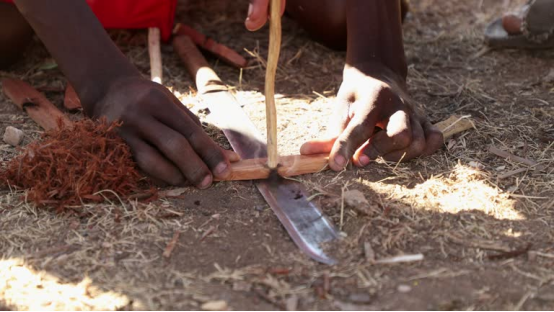
One of humanity’s most transformative discoveries was the control of fire. The ancient Egyptians, renowned for their advanced engineering and profound understanding of natural principles, developed sophisticated fire-making tools, including the fire drill. Experimental archaeology has shed light on the efficacy and design of these drills, demonstrating how they leveraged friction to generate embers efficiently. The Egyptian fire drill was typically composed of a spindle, a hearth board, and a bow or hand-held piece, allowing for rapid rotation and sustained pressure. This controlled ignition of fire provided warmth, light, protection, and crucially, the ability to cook food, which significantly improved nutrition and digestion, contributing to larger brain development. The mastery of fire was not merely a convenience but a cornerstone of early human technological and social progress, extending periods of activity and fostering communal gatherings.
- Components of the Egyptian Fire Drill:
- Spindle: A straight stick, often hardwood, rotated against the hearth board.
- Hearth Board: A softer wood base with small depressions to collect tinder and embers.
- Bow/Hand-Held Piece: Used to create consistent rotational force, often with a socket for the spindle.
- Tinder: Finely shredded plant material or other flammable substances to catch the initial spark.
- Experimental Archaeology Insights: Recreations of Egyptian fire drills have proven their effectiveness, highlighting the precise material selection and technique required. These experiments confirm that ancient Egyptians possessed a deep empirical understanding of wood properties and friction mechanics.
Stone Tools: Obsidian, Flint, and Early Trade Networks
Long before metallurgy, stone tools were the primary instruments of human endeavor. Among these, obsidian and flint stood out for their superior flaking properties, allowing for the creation of incredibly sharp edges. Obsidian, a naturally occurring volcanic glass, was particularly prized for its razor-sharpness, often exceeding that of modern surgical steel. The scarcity of high-quality obsidian and flint deposits across various regions spurred the development of primitive trade networks. Archaeological evidence, such as the tracing of prehistoric flint veins and obsidian sources, reveals extensive exchange routes that connected distant communities, demonstrating early economic interaction and the sharing of technological knowledge. These networks were crucial for resource distribution and cultural diffusion, indicating that ancient societies were far from isolated.
- Obsidian’s Unique Properties: Its amorphous structure allows for conchoidal fractures, producing extremely sharp and predictable edges ideal for cutting, scraping, and piercing.
- Flint Vein Tracing: Geochemical analysis and geological surveys help archaeologists pinpoint the original quarries of flint and chert, allowing them to map ancient trade routes and understand resource distribution.
- Evidence of Trade: The discovery of obsidian tools in regions far from their geological sources, such as those found in Mesoamerica or the Mediterranean, provides concrete evidence of long-distance exchange, indicating complex social and economic structures.
Adapting to Environments: Rainforest Tools and South African Connections
Human adaptability is vividly demonstrated through the specialized tools developed to thrive in diverse and challenging environments. Rainforests, with their dense vegetation and unique resources, necessitated specific toolkits for survival. Ancient populations in rainforest regions crafted implements for clearing paths, harvesting specific plants, and processing food sources unique to these ecosystems. Similarly, discoveries in South African caves have revealed a rich tapestry of prehistoric human connections and technological advancements. Tools found in these sites often reflect the local availability of materials and specific environmental pressures, such as hunting large game or processing marine resources. These tools illustrate not only local innovation but also potential cultural exchanges and migrations, painting a picture of interconnected human societies across vast landscapes.
- Rainforest Adaptation: Tools often included heavy-duty axes or adzes for clearing, specialized digging sticks, and implements for processing fibrous plants. The development of these tools shows a deep understanding of forest ecology and resource management.
- South African Cave Discoveries: Sites like Blombos Cave have yielded evidence of sophisticated cognitive abilities and tool use, including bone tools, ochre processing kits, and micro-blades, dating back tens of thousands of years. These findings challenge previous timelines for complex human behavior.
- Implications for Human Migration: The similarity or distinctiveness of tool technologies across different geographical regions provides clues about ancient migration patterns, cultural diffusion, and the independent development of solutions to common problems.

Advanced Craftsmanship and Specialized Tools
As human societies grew more complex, so did their tools. The transition from purely utilitarian implements to those reflecting specialized crafts, ritualistic practices, and sophisticated engineering marks a significant leap in human technological prowess. This era saw the emergence of metallurgy, allowing for the creation of durable and versatile metal tools, alongside the refinement of stone tool technologies for specific ceremonial or industrial purposes. The meticulous craftsmanship involved in producing items like Shang Dynasty bronze chisels, Mayan obsidian blades for ritual, and the comprehensive Dacian mason’s toolkit underscores a deeper understanding of materials, design, and functional specialization that transcended mere survival, paving the way for monumental achievements in art, architecture, and religious practice.
Metallurgy: Bronze Casting Tools of the Shang Dynasty
The Shang Dynasty (c. 1600–1046 BCE) in China is renowned for its extraordinary bronze technology, particularly its ritual vessels and weapons. The creation of these intricate artifacts required an equally sophisticated set of tools and a mastery of the bronze casting process. Microscopic analysis of bronze chisel marks found on molds and finished pieces has provided invaluable insights into the “technological fingerprint” of these ancient casting tools. These chisels, often made of harder bronze alloys or stone, were used to refine mold details, clean castings, and engrave intricate designs. The precision observed in these marks indicates not only skilled artisans but also a well-developed toolkit specifically designed for each stage of the complex multi-piece mold casting process. This level of specialization highlights an advanced industrial capacity and a deep understanding of metallurgy.
- Bronze Casting Process: Shang bronze casting utilized the piece-mold method, where a clay model was created, covered with clay sections, which were then removed, carved with designs, and reassembled to form the mold. This method allowed for unparalleled detail and complexity.
- Chisel Mark Analysis: Researchers use high-resolution microscopy to examine the minute striations and patterns left by chisels. These marks can reveal the type of tool used, the direction of the cut, and even the skill level of the artisan, providing a unique insight into ancient manufacturing techniques.
- Technological Implications: The existence of specialized bronze chisels implies a robust infrastructure for tool production, quality control, and the training of skilled labor, essential components of a complex, stratified society.
Mayan Obsidian Blades: Ritual and Function
The Maya civilization, known for its advanced writing, mathematics, and astronomy, also wielded formidable tools. Obsidian blades were central to Mayan life, serving both practical and ritualistic purposes. While incredibly sharp and effective for daily tasks such as cutting and crafting, some obsidian blades bear evidence of a more profound function. Mass spectrometry analysis on residues found on ancient Mayan obsidian blades has revealed the presence of bloodstains, providing direct evidence of their use in sacrificial rituals. These findings challenge purely utilitarian interpretations of such artifacts, highlighting the intertwined nature of technology, belief, and social structure in Mayan society. The precision of these blades made them ideal for ritualistic bloodletting, a practice central to Mayan cosmology and political legitimacy.
- Obsidian as a Sacred Material: Beyond its practical sharpness, obsidian held symbolic significance for the Maya, often associated with darkness, sacrifice, and the underworld.
- Mass Spectrometry Findings: This advanced analytical technique can detect minute organic residues, including proteins from blood, even after millennia. The identification of human and animal blood on blades definitively links them to sacrificial practices.
- Dual Functionality: Many tools in ancient societies served both mundane and sacred roles. Mayan obsidian blades exemplify this duality, being indispensable for daily life while simultaneously playing a critical part in the most solemn religious ceremonies.
Dacian Mason’s Toolkit: Precision in Ancient Construction
The Dacians, an ancient people inhabiting the region of modern-day Romania, were skilled builders, constructing impressive fortifications, temples, and settlements. The recent discovery of a rare ancient Dacian mason’s toolkit in a Romanian forest provides a tangible link to their architectural prowess. Such toolkits typically contained a variety of chisels, hammers, levels, and measuring devices, all essential for shaping stone with precision and constructing durable structures. The presence of a comprehensive toolkit suggests a highly organized approach to construction and a standardized set of skills among Dacian artisans. These tools were not just for rough shaping but for fine finishing, indicating an aesthetic appreciation and a demand for high-quality workmanship in their monumental architecture. The analysis of these tools offers invaluable data on ancient construction techniques and the daily lives of those who built these formidable structures.
- Components of a Mason’s Toolkit:
- Chisels: Various sizes and shapes for carving, dressing, and detailing stone.
- Hammers/Mallets: For striking chisels and shaping rough stone.
- Levels and Plumb Bobs: Essential for ensuring vertical and horizontal alignment in construction.
- Measuring Devices: Calipers, rules, and squares for precise dimensions.
- Insights into Dacian Engineering: The quality and variety of tools found suggest an advanced understanding of structural mechanics and material properties, allowing them to build complex and enduring structures.

Ingenious Measurement and Engineering
Beyond crafting implements for daily tasks or warfare, ancient civilizations developed tools and technologies for observation, measurement, and large-scale engineering. These innovations were critical for managing resources, predicting natural phenomena, and undertaking monumental construction projects. The ability to measure and quantify environmental factors, such as water levels, allowed societies to optimize agriculture, plan for droughts or floods, and sustain large populations. Such tools represent a significant intellectual leap, moving from reactive problem-solving to proactive environmental management and sophisticated civil engineering. They underscore the sophisticated scientific and mathematical understanding possessed by ancient cultures, often without the benefit of modern instruments.
The Nilometer: Mastering the Nile’s Lifeline
The prosperity of ancient Egypt was entirely dependent on the annual flooding of the Nile River. To manage this vital resource, the Egyptians developed an innovative tool known as the Nilometer. This device, typically a series of marked steps or a graduated column within a well, allowed priests and officials to accurately measure the Nile’s water level during its inundation. Precise measurements were crucial for predicting the success of the harvest, calculating taxes, and managing irrigation systems. A flood too low meant famine, while one too high could cause widespread destruction. The Nilometer was thus a critical piece of infrastructure, enabling the centralized administration to effectively govern and sustain the vast Egyptian civilization for millennia. Its design reflects a profound understanding of hydrological cycles and a pragmatic approach to resource management.
- Types of Nilometers:
- Staircase Nilometers: Found at sites like Elephantine Island, these involved steps leading down to the river, with markings on the walls.
- Column Nilometers: Often located in temples, these featured a central column with measurements, accessed via a well connected to the Nile.
- Economic and Social Impact: The Nilometer’s readings directly influenced economic planning, tax assessments (based on expected agricultural yields), and even religious ceremonies, as the Nile’s flood was seen as a divine gift.
- Engineering Principles: The construction of Nilometers required careful site selection, robust construction, and accurate calibration, demonstrating advanced civil engineering skills and a deep empirical understanding of the river’s dynamics.

Global Perspectives on Toolmaking Evolution
The study of ancient tools offers a window into the interconnectedness of human history, revealing both independent innovations and shared cultural developments across continents. While specific environmental pressures and available resources often dictated the trajectory of toolmaking in different regions, global patterns of technological advancement can be observed. From the earliest hominids in East Asia to the advanced societies of the Americas and Africa, the evolution of toolmaking provides a compelling narrative of human ingenuity and adaptability. Examining these diverse timelines and connections helps us understand the complex web of human migration, trade, and cultural exchange that shaped the ancient world, demonstrating that technological progress was a truly global phenomenon, albeit with localized expressions.
East Asian Toolmaking Timelines
East Asia holds a crucial, yet sometimes overlooked, place in the global narrative of human toolmaking. Recent archaeological discoveries and revised timelines have illuminated a rich and extended history of tool production in this region. Evidence suggests that early hominids in East Asia developed distinct toolmaking traditions, challenging the long-held “Out of Africa” model as the sole origin point for complex stone tool technology. From early pebble tools to more refined bifaces and microlithic industries, the East Asian timeline showcases a continuous trajectory of innovation and adaptation, often influenced by the unique geological and environmental conditions of the continent. These findings underscore the parallel evolution of technological prowess in different parts of the world, highlighting the diversity of human ingenuity.
- Early Hominid Presence: Archaeological sites in China, Korea, and Japan have yielded stone tools dating back millions of years, indicating an ancient and persistent hominid presence.
- Distinctive Technologies: While some tool forms show similarities to African or European traditions, many East Asian assemblages exhibit unique characteristics, suggesting independent invention and adaptation to local resources and needs.
- Revised Chronologies: Advances in dating techniques have pushed back the known timelines for certain tool technologies in East Asia, providing a more complete and nuanced picture of global human technological development.
Interconnectedness of Ancient Tool Technologies
Despite geographical distances, many ancient tool technologies exhibit fascinating parallels, suggesting either independent invention driven by similar needs or, more often, a degree of cultural diffusion and exchange. The spread of ideas, materials, and even finished tools facilitated the transfer of technological knowledge across vast distances. The tracing of prehistoric flint veins and obsidian sources, as previously discussed, is a prime example of such interconnectedness through trade. Similarly, the widespread adoption of certain basic tool forms, like hand axes or scrapers, across different continents speaks to universal human challenges and shared solutions. This global perspective emphasizes that human technological progress was rarely isolated, but rather a dynamic process of innovation, adaptation, and interaction between diverse communities, leading to a cumulative advancement of human capabilities.
- Diffusion vs. Independent Invention: Distinguishing between these two mechanisms is a central challenge in archaeology. Similar tool types found in distant regions might indicate shared ancestry, trade, or simply convergent evolution due to similar environmental pressures.
- Trade Routes as Knowledge Conduits: The exchange of raw materials (like obsidian or metals) often led to the transfer of knowledge about how to process and use these materials, fostering technological development in recipient cultures.
- Cultural Exchange and Adaptation: As societies interacted, they often adopted and adapted tools and techniques from one another, modifying them to suit their own specific cultural contexts and resource availability.

Conclusion: The Enduring Legacy of Ancient Ingenuity
The journey through the world of ancient tools and technologies reveals a profound narrative of human resilience, creativity, and intellectual growth. From the basic necessity of igniting fire with a drill to the intricate engineering of the Nilometer, each innovation represents a critical step in our collective evolution. These ancient artifacts are more than just archaeological finds; they are tangible testaments to the complex societies, sophisticated knowledge systems, and interconnected global networks that defined the ancient world. They remind us that the foundations of modern science, engineering, and social organization were meticulously laid by our ancestors, who, with limited resources, displayed boundless ingenuity. Understanding these ancient technologies not only enriches our appreciation for human history but also offers timeless lessons in problem-solving, adaptation, and the enduring power of innovation.
Frequently Asked Questions (FAQ)
- Q1: What defines a “tool” in the context of ancient human history?
- In ancient human history, a “tool” is broadly defined as any object, natural or modified, used by humans to extend their capabilities and manipulate their environment. This ranges from simple unmodified stones used for striking, to elaborately crafted implements like flint knives, bronze chisels, and complex devices such as the Nilometer. The key is intentional use for a specific purpose, often involving the modification of natural materials to enhance functionality.
- Q2: How do archaeologists determine the function of ancient tools?
- Archaeologists employ a variety of methods to determine tool function. These include use-wear analysis (examining microscopic damage patterns on tool edges), residue analysis (identifying organic remains like blood, plant fibers, or fats using techniques like mass spectrometry), experimental archaeology (replicating tools and using them to perform tasks), and contextual analysis (considering where the tool was found and what other artifacts were present). Combining these approaches provides a comprehensive understanding of a tool’s intended and actual uses.
- Q3: What role did trade networks play in the development and spread of ancient technologies?
- Trade networks were absolutely crucial. They facilitated the exchange of raw materials (like obsidian, flint, or metals) that were not locally available, driving the development of new tool types. More importantly, trade routes served as conduits for the transfer of knowledge, skills, and technological ideas between different communities and regions. This diffusion of technology often led to local adaptations and further innovations, accelerating the overall pace of human technological advancement and fostering cultural interconnectedness.
- Q4: How did ancient toolmaking impact human social structures?
- Ancient toolmaking profoundly impacted social structures. The creation of specialized tools led to labor specialization, where individuals or groups focused on particular crafts (e.g., flintknappers, metallurgists). This specialization often led to social stratification and the emergence of artisans, traders, and leaders who controlled valuable resources or knowledge. Tools also enabled more efficient resource acquisition and food production, supporting larger, more sedentary populations and contributing to the development of complex societal hierarchies and administrative systems, as seen with the Nilometer’s role in Egyptian governance.
- Q5: Are there any examples of “lost” ancient tool technologies that modern science struggles to replicate?
- While modern science and engineering can replicate most ancient tools, some aspects of ancient craftsmanship remain challenging to fully understand or reproduce with the same efficiency or scale. For instance, the precise methods for creating certain ancient super-hard alloys, or the exact techniques for constructing monumental structures with rudimentary tools, sometimes require immense effort to reverse-engineer. The intricate piece-mold bronze casting of the Shang Dynasty, while understood in principle, required an immense, organized labor force and specialized knowledge that is difficult to recreate perfectly today without modern industrial techniques, highlighting the sophistication of ancient mass production.