
The American Garage Sale: Frugality and Community
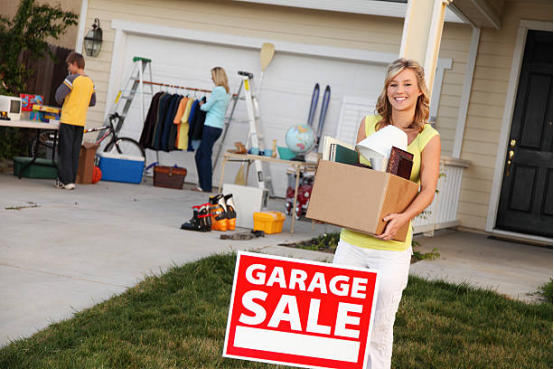
The American garage sale is more than a simple transaction of pre-owned goods; it serves as a cornerstone of community interaction and a testament to the American spirit of frugality. By transforming personal surplus into public opportunity, these events foster a unique, decentralized marketplace that defies traditional retail logic.
The Psychological Drivers of Secondhand Transactions
At the heart of the garage sale culture lies a complex interplay between economic prudence and the thrill of discovery. Participants are often driven by a desire to extend the lifecycle of products, reflecting a growing awareness of sustainability alongside the traditional American value of thriftiness.
- Economic Rationalism: The ability to acquire necessary household items at a fraction of retail cost allows families to optimize their budgets.
- The Treasure Hunt Effect: The unpredictable nature of inventory creates a gamified experience for buyers, often referred to as “thrifting.”
The Double-Edged Sword of American Tipping Culture
Tipping in America has evolved from a voluntary gesture of gratitude into a structural necessity, creating a polarized debate regarding labor ethics and service quality. This system forces a direct financial relationship between the consumer and the service worker, often bypassing the traditional employer-employee compensation model.
Mechanism of Tipping as a Labor Subsidy
The reliance on tips allows businesses to maintain lower menu prices while shifting the burden of living wages onto the customer. This structure creates significant volatility in worker income and breeds resentment when service quality does not meet the implied social contract.
| Factor | Impact of Tipping |
|---|---|
| Worker Income | High volatility; dependent on volume and customer generosity. |
| Business Costs | Reduced payroll overhead, increasing profitability. |
| Consumer Experience | Added cognitive load; stress over social norms and calculations. |

The Paradox of Freedom and Regulation in American Culture
American society is perpetually caught in a tug-of-war between the foundational desire for individual autonomy and the collective need for institutional regulation. This tension manifests in every aspect of law, from public health mandates to zoning laws and economic oversight.
Defining the Regulatory Boundaries
The American system is designed to prevent tyranny, yet it frequently relies on robust regulatory frameworks to ensure fair competition and public safety. The conflict arises when individual rights are perceived as being infringed upon by government oversight, leading to intense political and social friction.
Frequently Asked Questions (FAQ)
- Q1: Why is garage sale culture still relevant in the age of e-commerce?
- Despite the dominance of platforms like eBay or Facebook Marketplace, local garage sales provide immediate physical access to goods and facilitate face-to-face community interaction that digital platforms cannot replicate.
- Q2: Is the American tipping system likely to change?
- While there is growing discourse regarding a shift toward “living wage” models in restaurants, the transition is slow due to the deeply entrenched nature of the current system and resistance from both business owners and some service staff who benefit from tax-advantaged cash tips.
- Q3: How does the “freedom vs. regulation” paradox affect daily life?
- It creates a culture of skepticism toward authority. Americans often demand safety and infrastructure but simultaneously resist the taxes and regulations necessary to fund and maintain them.
- Q4: What is the biggest challenge to the American social fabric today?
- The primary challenge is the erosion of common ground. As individual interests become more specialized, the shared cultural values that once facilitated social cohesion are increasingly replaced by fragmented ideological groups.