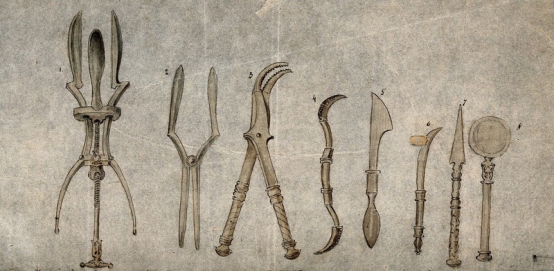
The Sophistication of Ancient Roman Surgical Instruments
The history of medicine is often viewed through the lens of modern technological progression; however, archaeological evidence suggests that Roman surgeons possessed a level of expertise and equipment that rivals contemporary standards. Excavations of sites across the former Roman Empire have yielded a diverse array of medical devices, demonstrating that ancient practitioners understood the necessity of specialized tools for complex internal and external procedures.
Metallurgical Advancements in Antiquity
One of the most compelling findings is the use of materials that mimic modern surgical-grade stainless steel. Roman craftsmen utilized bronze and iron, often treated with sophisticated tempering techniques to ensure durability and resistance to corrosion—a critical requirement for instruments frequently exposed to bodily fluids.
- Material Integrity: The use of high-quality copper alloys allowed for the creation of tools that could maintain a sharp edge for delicate incisions.
- Design Ergonomics: Handles were often textured or shaped to provide surgeons with a firm grip, preventing slippage during high-stakes operations.

Functional Parallels to Modern Medical Equipment
When comparing ancient Roman kits to modern surgical trays, the functional overlap is profound. Many instruments found in Pompeii and other Roman-era sites serve the same purposes as their modern counterparts, proving that the fundamental challenges of human surgery—such as tissue access, retraction, and hemorrhage control—have remained constant throughout history.
Commonly Identified Surgical Tools
The Roman medical kit was comprehensive, covering everything from minor wound dressing to complex trauma surgery. The following table illustrates the comparison between ancient utility and modern application:
| Instrument Type | Roman Function | Modern Equivalent |
|---|---|---|
| Scalpels | Fine tissue dissection | Disposable/Reusable Scalpel |
| Bone Levers | Fracture alignment | Orthopedic Elevators |
| Vaginal Specula | Gynecological examination | Modern Speculum |
| Forceps | Tissue grasping/extraction | Hemostats/Tissue Forceps |

Clinical Precision and Surgical Specialization
The existence of specialized instruments implies a high degree of medical specialization. Roman surgeons were not merely generalists; they were capable of performing procedures that required extreme precision, such as cataract surgery, bone setting, and the removal of foreign bodies.
The Role of Hygiene and Maintenance
While the germ theory of disease was not understood in the modern sense, Roman medical professionals recognized the importance of keeping instruments clean. The durability of their bronze tools allowed for repeated heating and cleaning, which effectively reduced the risk of cross-contamination—a rudimentary but effective form of sterilization.

Legacy of Roman Medical Engineering
The study of these instruments provides more than just historical insight; it highlights the enduring nature of human ingenuity. By analyzing the engineering behind these 2,000-year-old prototypes, researchers gain a deeper appreciation for the foundation upon which modern medicine was built.
Frequently Asked Questions (FAQ)
- Q1: Did Romans use stainless steel for their surgical tools?
- While modern stainless steel is a specific industrial alloy, Roman craftsmen used advanced bronze and iron smelting techniques that resulted in instruments with similar corrosion-resistant and high-strength properties, effectively serving as the prototypes for modern steel tools.
- Q2: Were Roman surgeons successful in their operations?
- Yes, historical records and the complexity of the instruments found suggest they were capable of performing successful procedures, including bone setting, tooth extraction, and even complex battlefield trauma care.
- Q3: How do Roman tools compare to modern surgical equipment?
- The designs are remarkably similar. Many modern instruments, such as forceps, scalpels, and specula, are direct descendants of the functional designs perfected by Roman medical practitioners.
- Q4: Why are these discoveries important for modern medical history?
- They prove that the principles of surgical ergonomics and material utility were understood and implemented with high precision long before the Industrial Revolution, bridging the gap between ancient and modern clinical practice.