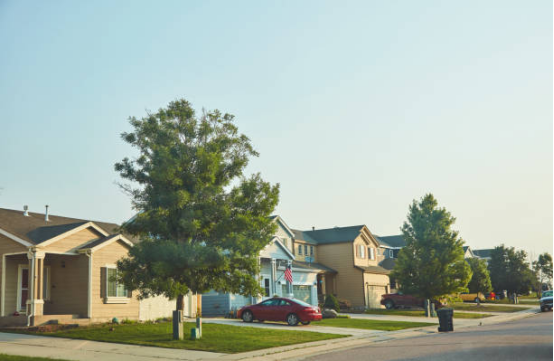
The Quintessential American Dream: Suburban Homes and the Promise of a Better Life
The concept of the American Dream has long been intrinsically linked to the idea of homeownership, particularly within the context of suburban living. For generations, the image of a detached single-family home, complete with a yard and a sense of community, represented the pinnacle of success and stability. This vision was heavily promoted through post-World War II housing policies and the burgeoning automobile culture, which made suburban commutes feasible. The suburban lifestyle offered a perceived escape from the congestion and perceived ills of urban centers, promising a safer, healthier, and more family-oriented environment. This ideal was further cemented by cultural narratives in media and popular culture, solidifying the suburban enclave as the embodiment of the American aspirational ethos.
The Lure of Single-Family Homes
The single-family home became the tangible symbol of achieving the American Dream. It represented independence, privacy, and the ability to build equity. The ability to own land, to have a dedicated space for children to play, and to host family gatherings in a private setting were powerful draws. This desire was fueled by economic factors, including relatively affordable housing prices in many suburban areas and the availability of mortgage financing, which allowed a broader segment of the population to achieve homeownership. The development of planned communities further enhanced this appeal, offering a curated living experience that catered to specific demographic aspirations.
Community Ecology and Suburban Development
The ecological and social fabric of suburban communities is a critical, often overlooked, aspect of the American Dream. The development of these areas often led to a distinct community ecology, characterized by lower population densities, a reliance on private vehicles, and the creation of distinct residential zones. This pattern of development, while fulfilling the dream of individual homeownership, also has significant implications for land use, infrastructure, and social interaction. The emphasis on private space can sometimes lead to a reduction in shared public spaces and a more fragmented social landscape compared to more traditional urban or rural settings.
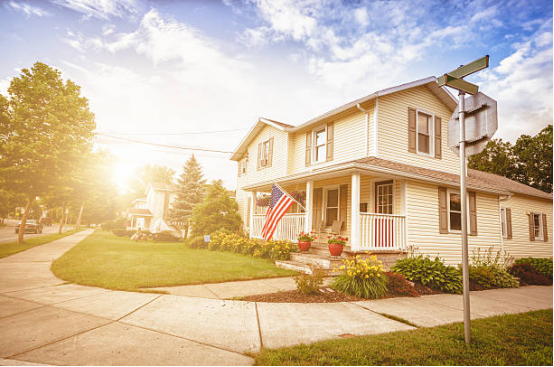
The Modern Commute: Navigating the Realities of Daily Travel
The suburban ideal is inextricably linked to the phenomenon of commuting. The daily journey from a suburban residence to an urban or suburban place of employment has become a defining characteristic of the modern American lifestyle for many. This commute, often undertaken by car, represents a significant investment of time and resources. The infrastructure built to support this mass movement of people, including highways and arterial roads, has shaped the physical landscape of many metropolitan areas. The experience of commuting can range from a peaceful transition to a stressful ordeal, profoundly impacting an individual’s daily quality of life and overall well-being.
Challenges and Impacts of the Daily Commute
The realities of the modern commute extend beyond mere travel time. Issues such as traffic congestion, vehicle wear and tear, fuel costs, and the environmental impact of emissions are significant concerns. For many, the long hours spent commuting can reduce time available for family, leisure activities, and personal pursuits, thereby potentially diminishing the perceived benefits of suburban living. The psychological toll of a stressful commute can also contribute to reduced job satisfaction and overall happiness. Furthermore, the reliance on personal vehicles for commuting exacerbates issues related to urban sprawl and can limit accessibility for those who cannot afford or operate a car.
Evolving Commuting Patterns
In response to these challenges, there is a growing trend towards evolving commuting patterns. These include the rise of remote work and flexible work arrangements, which significantly reduce the need for daily physical presence in an office. Public transportation initiatives, carpooling, and the development of mixed-use communities where housing, work, and amenities are closer together are also gaining traction. These shifts reflect a re-evaluation of the traditional commuting model and a search for more sustainable and less time-consuming ways to balance work and life.
The American Dream: Myth, Reality, and Evolving Meanings
The American Dream, as a concept, has always been a dynamic and contested idea. While the vision of suburban homeownership and a stable, prosperous life remains influential, its interpretation and attainability have evolved significantly. The myth of the American Dream often portrays a straightforward path to success based on hard work and merit, accessible to anyone willing to strive for it. However, the reality is far more complex, influenced by socioeconomic factors, systemic inequalities, and changing economic landscapes.
Deconstructing the Myth
The idealized narrative of the American Dream often overlooks significant barriers to upward mobility. Factors such as inherited wealth, access to quality education, systemic discrimination, and the increasing cost of living can make the traditional markers of success, like homeownership, unattainable for many. The myth can create a sense of personal failure for individuals who do not achieve these benchmarks, despite their efforts, without acknowledging the broader societal structures at play. This disconnect between the aspirational myth and the lived reality is a source of considerable social commentary and debate.
The Reality of Attaining the Dream
In contemporary America, the “reality” of achieving the American Dream often involves navigating a more precarious economic environment. Wage stagnation, rising costs for housing, healthcare, and education, and increased job insecurity have made the traditional path to prosperity more challenging. For many, the dream has shifted from outright ownership to one of financial stability, access to healthcare, and the ability to provide opportunities for their children. The definition of success is becoming more individualized and less tied to a singular, universally recognized set of achievements.
Shifting Definitions and Future Aspirations
The meaning of the American Dream is continuously being redefined by new generations and changing societal values. For some, it may encompass entrepreneurial endeavors, personal fulfillment, work-life balance, or contributing to social good, rather than solely material wealth. There is a growing emphasis on experiences over possessions, and on finding purpose and meaning in one’s work and life. This evolution reflects a broader societal shift towards prioritizing well-being, sustainability, and social equity. The future of the American Dream likely lies in its adaptability and its capacity to encompass a wider range of individual aspirations and societal goals.
Frequently Asked Questions (FAQ)
- What are the core components of the traditional American Dream?
- The traditional American Dream is often characterized by the aspiration for a stable job, homeownership (typically a single-family home in the suburbs), financial security, opportunities for upward mobility, and the ability to provide a better future for one’s children. It emphasizes hard work, self-reliance, and the belief that anyone can achieve prosperity regardless of their background.
- How has suburban living contributed to the American Dream narrative?
- Suburban living became synonymous with the American Dream in the mid-20th century, offering a perceived ideal lifestyle characterized by spacious homes, private yards, and a sense of community removed from urban complexities. Government policies, the rise of the automobile, and cultural depictions all reinforced the idea that suburban homeownership was the ultimate achievement and a marker of success.
- What are the main challenges to achieving the American Dream today?
- Contemporary challenges to achieving the American Dream include rising costs of housing, education, and healthcare; wage stagnation; increasing income inequality; job insecurity; and systemic barriers related to race, class, and opportunity. These factors make traditional markers of success, such as homeownership, less accessible for a significant portion of the population.
- How is the meaning of the American Dream evolving?
- The meaning of the American Dream is evolving to encompass a broader range of aspirations beyond material wealth. Many now prioritize work-life balance, personal fulfillment, entrepreneurial pursuits, experiences, and contributing to social or environmental causes. The definition is becoming more individualized and less tied to a singular, monolithic ideal.
- What is the ecological impact of suburban development and commuting?
- Suburban development, characterized by lower population density and sprawl, often leads to increased land use, habitat fragmentation, and a greater reliance on personal vehicles. This, in turn, contributes to increased carbon emissions from commuting, traffic congestion, and the demand for extensive infrastructure, posing significant environmental challenges.