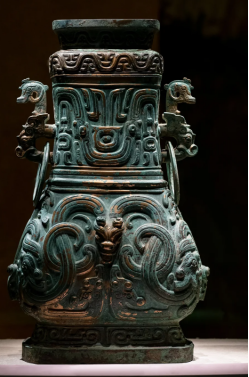
In the past few weeks, I have been focusing on the study of bronze artifacts, and what fascinates me most are the mysterious and exquisite patterns on bronze artifacts. These seemingly complex patterns are actually the key to decoding the social culture, religious beliefs and craftsmanship of ancient China.
When we see bronze artifacts in museums, the first thing we notice is the patterns – taotie patterns, phoenix patterns, they are so ferocious, terrifying, and primitive. Why are bronze artifacts so scary? In fact, behind these ferocious bronze artifacts lies power.
Taotie pattern
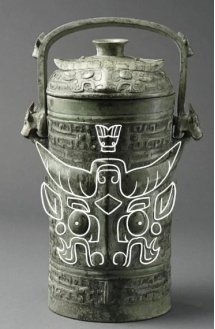
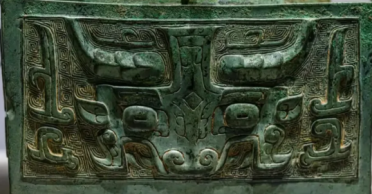
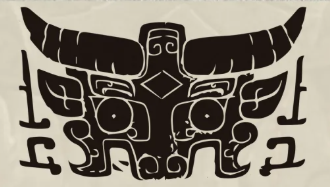
Among the many bronze patterns, Taotie pattern is the most representative one. This pattern mainly depicts the face of the animal, eyes, nose, mouth, horns and other parts, with exaggerated shapes, showing a mysterious and majestic momentum.
Scholars believe that the Taotie pattern may be closely related to the sacrificial activities at that time. The ancients used this mysterious pattern to communicate with heaven and earth, worship gods, and pray for blessings. Moreover, the Taotie pattern has also changed in different periods. The lines of the Taotie pattern in the Shang Dynasty are rigid and the shape is solemn; in the Western Zhou Dynasty, its style gradually tends to be simplified and regular, the sense of majesty is weakened, and a sense of order is added.
Phoenix pattern
In Han legends, the phoenix is the most beautiful of all feathered insects. When it flies, all other birds follow it, and it is revered as the king of all birds. In the minds of the ancients, the phoenix is a bird of good fortune. The phoenix patterns on bronze wares vary in form, some with their heads held high and chests puffed out, and some with their wings spread out as if ready to fly. The phoenix pattern was particularly popular during the Western Zhou Dynasty, which was consistent with the society’s pursuit of auspiciousness and harmony at the time.
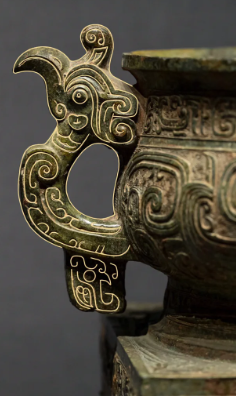
Cultural Code
Bronze patterns are not simply decorations, but contain rich cultural connotations. From a religious perspective, many patterns are related to activities such as sacrifices and divination, and are the way ancient people expressed their worship of gods and ancestors. From a social perspective, there are strict regulations on the types, quantities and complexity of bronze patterns used by nobles of different levels, and patterns have become a symbol of status. For example, only high-ranking nobles can use large bronze ritual vessels decorated with complex taotie patterns.
The evolution of bronze patterns also reflects the changes of the times. From the mysterious majesty of the Shang Dynasty, to the regularity and orderliness of the Western Zhou Dynasty, to the agility and diversity of the Spring and Autumn Period and the Warring States Period, the changes in patterns are closely related to the political, economic and cultural development of the time. Studying these patterns is like reading a silent history book, which can help us understand ancient Chinese society more deeply.
If you find interesting bronze patterns in your research, or have unique insights into certain patterns, please share them in the comments section! Together we can explore more stories behind these mysterious patterns.