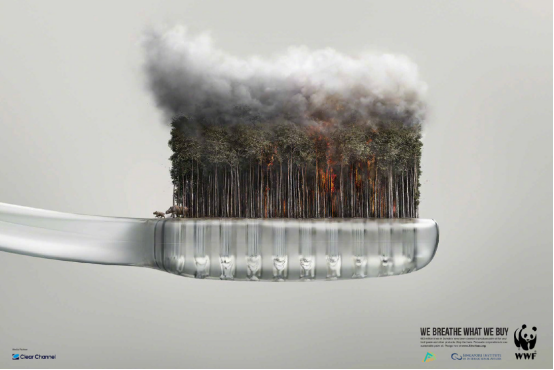
In an interconnected world facing complex challenges, global non-governmental organizations (NGOs) and service clubs stand as powerful agents of change. They operate across borders, often in the most difficult circumstances, to provide aid, protect the vulnerable, conserve our planet, and empower communities. Understanding the distinct roles, mandates, and operational models of these organizations is crucial to appreciating their collective impact. This comprehensive guide delves into the work of five monumental organizations: Doctors Without Borders (MSF), UNICEF, the World Wildlife Fund (WWF), the International Committee of the Red Cross (ICRC), and Lions Clubs International, showcasing the diverse ways they serve humanity and the planet.
Doctors Without Borders: Emergency Medical Aid in Crisis Zones
Médecins Sans Frontières (MSF), known in English as Doctors Without Borders, is a global humanitarian organization renowned for its rapid and impartial medical response in areas devastated by conflict, epidemics, disasters, or exclusion from healthcare. Founded in 1971 by a group of French doctors and journalists, MSF was built on the belief that all people have the right to medical care, regardless of race, religion, creed, or political affiliation.
Core Principles of Action
MSF’s operations are guided by a strict charter of ethics. The core principles that define its work are neutrality, impartiality, and independence. Neutrality means not taking sides in armed conflicts. Impartiality ensures that aid is provided solely based on need, without discrimination. Independence is fiercely protected, with the vast majority of its funding coming from private donors, which allows MSF to operate without influence from governmental or institutional agendas. This financial structure is critical for gaining access to populations in politically sensitive environments.
Operational Scope and Impact
MSF teams, comprising doctors, nurses, logisticians, and other professionals, work in over 70 countries worldwide. Their interventions are diverse and tailored to the specific crisis at hand. Key activities include:
- Emergency Surgery: Setting up field hospitals in war zones to treat trauma injuries.
- Epidemic Response: Combating outbreaks of diseases like Ebola, cholera, and measles through treatment centers and vaccination campaigns.
- Nutritional Support: Running therapeutic feeding centers for malnourished children.
- Maternal and Child Health: Providing safe childbirth services and pediatric care in regions with collapsed health systems.
- Bearing Witness (Témoignage): A unique aspect of MSF’s mandate is its commitment to speak out publicly about the suffering it witnesses, aiming to bring attention to forgotten crises and advocate for the needs of its patients.

UNICEF: Championing the Rights of Every Child
The United Nations Children’s Fund (UNICEF) was established in the aftermath of World War II in 1946 to provide emergency relief to children. Today, it has evolved into one of the world’s most far-reaching social welfare organizations, operating in over 190 countries and territories. Its mission is to uphold the rights of every child, focusing on their survival, development, protection, and participation in society.
A Mandate Rooted in Children’s Rights
UNICEF’s work is guided by the Convention on the Rights of the Child, the most widely ratified human rights treaty in history. This framework shapes its programs, which are designed to address the full spectrum of a child’s life. Unlike organizations that focus primarily on emergency response, UNICEF balances immediate humanitarian aid with long-term development programs aimed at creating systemic change for children and families.
Key Program Areas and Initiatives
UNICEF’s global efforts are structured around several critical pillars to ensure children not only survive but also thrive. These areas of focus demonstrate the depth and breadth of its mission.
- Health & Immunization: UNICEF is a global leader in vaccine procurement and distribution, helping to immunize nearly half of the world’s children under five. It also works to improve maternal health, combat diseases like polio and malaria, and ensure access to essential health services.
- Nutrition: It tackles all forms of malnutrition, from providing life-saving therapeutic food for severely malnourished children to promoting breastfeeding and healthy diets.
- Water, Sanitation, and Hygiene (WASH): UNICEF works with communities and governments to provide access to safe drinking water and adequate sanitation facilities, which is fundamental to preventing disease and ensuring dignity.
- Education: It champions the right to education, especially for girls and children in emergencies, by building schools, training teachers, and developing inclusive learning materials.
- Child Protection: This involves safeguarding children from violence, exploitation, and abuse, including child labor, child marriage, and trafficking.

World Wildlife Fund (WWF): Protecting Nature and Biodiversity
The World Wildlife Fund (WWF) is the world’s leading conservation organization, with a mission to conserve nature and reduce the most pressing threats to the diversity of life on Earth. Founded in 1961, it is instantly recognizable by its iconic panda logo. WWF works in nearly 100 countries and is supported by millions of members globally. Its approach combines on-the-ground conservation projects with high-level policy advocacy and scientific research.
A Science-Based Conservation Strategy
WWF’s work is grounded in rigorous science. It focuses its efforts on protecting critical ecosystems and key species that are essential for a healthy planet. The organization’s strategy is built around six major goals:
- Forests: Protecting and restoring forests to provide habitats for wildlife and livelihoods for people, while also combating climate change.
- Oceans: Promoting sustainable fishing practices, protecting marine habitats like coral reefs, and reducing plastic pollution.
- Freshwater: Safeguarding the world’s rivers, lakes, and wetlands to ensure a sustainable water supply for both people and nature.
- Wildlife: Protecting iconic and endangered species, such as tigers, elephants, rhinos, and pandas, by tackling poaching and human-wildlife conflict.
- Food: Working to create a more sustainable food system that can feed a growing global population without destroying natural habitats.
- Climate & Energy: Advocating for a transition to renewable energy and promoting policies that reduce greenhouse gas emissions.
Signature Campaigns and Global Impact
Beyond its direct conservation work, WWF is highly effective at mobilizing public support and influencing corporate behavior. Its most famous initiative is Earth Hour, a global event where millions of people, businesses, and landmarks turn off their lights for one hour to show their commitment to the planet. This campaign has become a massive symbol of collective action for environmental protection.

The International Committee of the Red Cross (ICRC): A Beacon of Neutral Humanitarianism
The International Committee of the Red Cross (ICRC) holds a unique and crucial position in the world of humanitarian aid. Founded in 1863, its origins are tied to the birth of modern international humanitarian law. The ICRC’s mandate is derived directly from the Geneva Conventions, which tasks it with protecting the lives and dignity of victims of armed conflict and other situations of violence.
Mandated by International Law
Unlike many other NGOs, the ICRC’s role is formally recognized by international law. This gives it a special status and privileged access to conflict zones. Its work is based on the fundamental principles of the Red Cross and Red Crescent Movement: humanity, impartiality, neutrality, independence, voluntary service, unity, and universality. Its neutrality is absolute, allowing it to engage with all sides of a conflict to gain access to those in need, including prisoners of war and civilians trapped behind front lines.
Core Activities in Conflict Zones
The ICRC’s work is focused and highly specialized, targeting the most urgent needs created by war. Its primary activities include:
- Protecting Prisoners of War: ICRC delegates visit detainees to monitor their conditions and treatment, ensuring they are held in accordance with international law.
- Restoring Family Links: It helps reconnect family members separated by conflict, often through its Red Cross message service.
- Providing Medical Care: The ICRC supports hospitals and provides surgical teams and medical supplies in war-torn areas.
- Ensuring Access to Essentials: It helps provide clean water, food, and shelter to civilians affected by fighting.
- Promoting International Humanitarian Law (IHL): A key part of its mission is to spread knowledge of the rules of war and advocate for their respect among governments and armed groups.

Lions Clubs International: Global Service Through Local Action
Lions Clubs International represents a different model of global impact. It is the world’s largest service club organization, founded in 1917 on the principle that local communities can best identify and address their own needs. With over 1.4 million members in more than 48,000 clubs worldwide, its strength lies in its vast grassroots network of volunteers united by the simple motto: “We Serve.”
A Community-Based Service Framework
The core of Lions Clubs is the local club, where members work together on projects that benefit their immediate community. The international organization provides a framework, resources, and a set of global causes, but the action is driven from the ground up. This model fosters a deep sense of ownership and direct engagement among its members.
Pillars of Service and Global Causes
While local clubs undertake countless varied projects, Lions Clubs International focuses its collective efforts on five global causes to maximize its impact:
- Vision: Since Helen Keller challenged the Lions to become “knights of the blind” in 1925, vision has been a cornerstone of their work. They provide eye exams, recycle eyeglasses, and work to prevent blindness.
- Hunger: Lions clubs work to alleviate hunger by supporting food banks, school feeding programs, and community gardens.
- Environment: Projects focus on protecting and restoring the environment through tree planting, recycling programs, and community clean-ups.
- Childhood Cancer: The organization provides support for children with cancer and their families, improving access to care and supporting research.
- Diabetes: Lions are focused on raising awareness of type 2 diabetes, promoting healthy lifestyles, and providing screening and treatment support.

Comparing Operational Models and Global Reach
While all five organizations are dedicated to serving others, their structures and approaches differ significantly. Understanding these differences highlights the diverse ecosystem of global aid and service. MSF and the ICRC are primarily emergency-focused, deploying expert teams into acute crisis zones with a strict adherence to neutrality. UNICEF operates on a broader spectrum, combining emergency relief with long-term development programs under the UN umbrella. The WWF is a specialized conservation organization using science and advocacy to address environmental threats. Finally, Lions Clubs International operates as a decentralized, member-driven service network, empowering local volunteers to act on a wide range of community and global issues.
| Organization | Primary Focus | Operational Model | Guiding Principle |
|---|---|---|---|
| Doctors Without Borders (MSF) | Emergency Medical Aid | Direct intervention with professional teams | Neutrality & Impartiality |
| UNICEF | Children’s Rights & Development | UN agency; long-term programs & emergency response | Convention on the Rights of the Child |
| World Wildlife Fund (WWF) | Nature Conservation | Scientific research, policy advocacy, field projects | Biodiversity & Sustainability |
| ICRC | Victims of Armed Conflict | Mandated by International Law (Geneva Conventions) | Neutrality & Humanity |
| Lions Clubs International | Community Service | Decentralized network of volunteer clubs | “We Serve” |
The collective efforts of these organizations demonstrate that there is no single solution to the world’s problems. From the highly specialized surgical team in a war zone to the local volunteer planting a tree, each model plays an indispensable role in weaving a global safety net of compassion, protection, and progress.
Frequently Asked Questions (FAQ)
- What is the main difference between the ICRC and Doctors Without Borders?
- The primary difference lies in their mandate and scope. The ICRC has a unique, formal mandate under the Geneva Conventions to protect victims of armed conflict, including prisoners of war. Its work is strictly confined to situations of violence and is based on international law. Doctors Without Borders (MSF) is an independent NGO that provides medical aid in a broader range of crises, including conflicts, epidemics, and natural disasters. While both are neutral, MSF also practices “témoignage” or bearing witness, speaking out about atrocities, whereas the ICRC often works more discreetly to maintain access.
- How is UNICEF funded and governed?
- UNICEF’s funding is entirely voluntary. It receives contributions from governments, intergovernmental organizations, and the private sector, which includes corporations, foundations, and millions of individual donors through its National Committees. It is governed by a 36-member Executive Board that establishes policies, approves programs, and oversees administrative and financial plans. This diverse funding base helps support its independence and ability to operate globally.
- What are the primary goals of the World Wildlife Fund (WWF)?
- WWF’s mission has a dual focus: to protect and restore species and their habitats, and to reduce humanity’s ecological footprint. Its main goals are to conserve the world’s most critical ecoregions (forests, oceans, freshwater systems), protect endangered species, and address global threats like climate change and unsustainable food production. They achieve this through a combination of on-the-ground conservation projects, scientific research, policy advocacy, and partnerships with corporations and communities.
- How can an individual get involved with Lions Clubs International?
- Getting involved with Lions Clubs is very accessible. The primary way is to join a local club in your community. You can typically find a nearby club through the Lions Clubs International website. By becoming a member, you can participate directly in local service projects, contribute to global initiatives, and engage in leadership development opportunities. It is a grassroots organization focused on hands-on volunteer work.
- Are all these organizations considered NGOs?
- It’s nuanced. Doctors Without Borders and the World Wildlife Fund are classic examples of non-governmental organizations (NGOs). The ICRC has a special status as an impartial, neutral, and independent organization whose humanitarian mission is conferred by states through the Geneva Conventions, making it unique. UNICEF is an agency of the United Nations, so it is an intergovernmental organization, not an NGO. Lions Clubs International is a non-profit service organization, which is a type of NGO, but its structure as a member-based club network makes it distinct from the others.