Understanding the Scope of Modern Global Humanitarian Crises
The contemporary global landscape is increasingly defined by complex, overlapping humanitarian emergencies. These crises do not occur in a vacuum; they are often the catastrophic culmination of natural disasters, climate change, political instability, and deep-rooted socioeconomic vulnerabilities. To truly comprehend the scale of global suffering and the monumental efforts required to mitigate it, one must analyze these events not as isolated incidents, but as interconnected symptoms of global fragility. From sudden seismic events in Southeast Asia to prolonged ecological disasters in Africa and North America, the demand for agile, comprehensive, and sustained humanitarian intervention has never been greater.
Humanitarian organizations, ranging from massive international medical relief agencies to hyper-local grassroots NGOs, form the backbone of the global response network. These entities operate under immense pressure, navigating shattered infrastructure, volatile political climates, and severe funding shortfalls to deliver life-saving aid. By examining specific regional crises—such as those in Myanmar, Uganda, California, and the Horn of Africa—we can extract vital insights into the mechanics of disaster response, the resilience of affected populations, and the strategic evolution of global philanthropy.
The Anatomy of a Complex Emergency
A complex emergency is characterized by extensive violence, loss of life, massive displacement of people, and widespread damage to societies and economies. These situations require a multi-faceted humanitarian response that goes beyond immediate medical triage to include long-term psychological support, infrastructural rebuilding, and economic stabilization.
- Multi-Dimensional Impact: Disasters simultaneously destroy physical infrastructure, disrupt supply chains, and traumatize populations, requiring a synchronized response across multiple sectors including health, logistics, and education.
- Vulnerability Amplification: Pre-existing societal issues, such as poverty or political disenfranchisement, are exponentially worsened when a disaster strikes, leaving marginalized groups disproportionately affected.
- Resource Exhaustion: Local governments and first responders are often quickly overwhelmed, necessitating immediate international intervention to bridge the gap between supply and desperate demand.

The Compounding Devastation: Earthquakes Deepen Myanmar’s Crisis
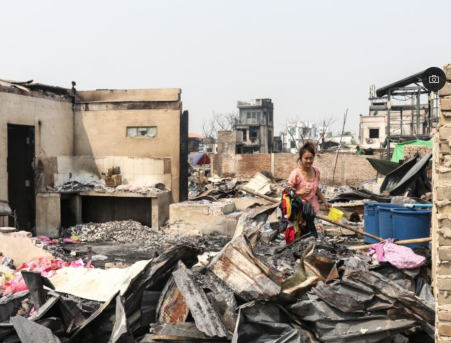
Myanmar has long been ensnared in a web of political turmoil and internal conflict, resulting in a fragile state infrastructure and massive internal displacement. When seismic activity strikes this already vulnerable nation, the results are catastrophic. Recent earthquakes have severely deepened Myanmar’s humanitarian crisis, transforming a chronic political emergency into an acute survival situation for millions of citizens. The tremors have reduced poorly constructed housing to rubble, obliterated essential medical facilities, and severed critical transportation arteries that are vital for the delivery of aid.
The intersection of natural disaster and political instability creates unique logistical nightmares for humanitarian agencies. Access to affected regions is heavily restricted, not just by destroyed roads, but by bureaucratic hurdles and ongoing conflict zones. This dual-layered crisis means that traditional disaster response protocols must be heavily modified. Aid workers must negotiate safe passage, rely on fragmented local networks, and operate with limited communication infrastructure.
Immediate Impacts on Displaced Populations
For the hundreds of thousands of people already living in temporary displacement camps due to political violence, the earthquakes have stripped away their last remaining layer of security. The structural integrity of these camps is inherently weak, making them highly susceptible to seismic damage.
The aftermath of the earthquakes in Myanmar has highlighted several critical areas of immediate need that humanitarian organizations are struggling to fulfill under restrictive conditions:
- Emergency Shelter and Protection: With thousands of homes and temporary shelters destroyed, providing weather-resistant tents and safe spaces for vulnerable individuals, particularly women and children, is the absolute highest priority.
- Water, Sanitation, and Hygiene (WASH): Earthquakes frequently rupture water mains and contaminate local water sources. The rapid deployment of water purification systems is essential to prevent secondary outbreaks of waterborne diseases like cholera.
- Trauma and Emergency Medical Care: The sudden influx of crush injuries and trauma cases quickly overwhelms local clinics. Mobile medical units equipped with surgical supplies and essential medicines are critical in the first 72 hours post-quake.

Grassroots Intervention: How Kids Club Kampala Aids Uganda’s Vulnerable Children
While sudden natural disasters capture global headlines, chronic crises of poverty and neglect quietly devastate generations. In the sprawling urban slums of Kampala, Uganda, vulnerable children face daily battles against severe malnutrition, lack of access to basic education, and the constant threat of exploitation. Here, the humanitarian response requires a different approach—one rooted in deep community integration and sustained, long-term empowerment. Kids Club Kampala represents a paradigm of effective grassroots intervention, demonstrating how localized, culturally sensitive programs can break the cycle of systemic poverty.
Unlike international agencies that deploy temporarily during acute emergencies, grassroots organizations like Kids Club Kampala embed themselves within the community fabric. They operate on the principle that sustainable change must be driven from within. By providing safe spaces, educational opportunities, and basic necessities, they offer a lifeline to children who have fallen through the cracks of formal social support systems. Their methodology relies heavily on building trust, training local volunteers, and creating holistic support structures that address both the physical and emotional needs of the youth.
Holistic Support Structures in Urban Slums
Operating in an environment characterized by extreme density, poor sanitation, and economic despair requires a multi-pronged strategy. Kids Club Kampala focuses on several core pillars to ensure comprehensive child development.
The success of such grassroots initiatives provides a blueprint for addressing chronic urban poverty worldwide. Their key operational strategies include:
- Educational Sponsorship and Catch-up Classes: Many children in the slums cannot afford school fees. Providing free basic education and vocational training equips them with the tools necessary to secure future employment and financial independence.
- Nutritional Feeding Programs: Chronic malnutrition severely stunts cognitive and physical development. Daily hot meals provided at the clubs ensure that children receive the essential nutrients required to grow and focus on their education.
- Psychosocial Support and Safe Play: Children growing up in extreme poverty often experience severe trauma. Creating secure environments where children can play, express themselves, and receive counseling is crucial for their mental health and social development.

Rapid Medical Response: Direct Relief’s Action During California Wildfires
Humanitarian crises are not confined to developing nations. The escalating frequency and intensity of wildfires in California present a massive, recurring emergency within one of the world’s wealthiest regions. As climate change exacerbates dry conditions and extends the fire season, entire communities are routinely displaced, and regional air quality plummets to hazardous levels. In response to these blazing infernos, organizations like Direct Relief play an indispensable role by rapidly dispatching targeted medical aid to impacted communities and the frontline workers battling the blazes.
The medical demands of a wildfire disaster are highly specific. Beyond the immediate threat of burns and trauma, the pervasive spread of fine particulate matter (PM2.5) from wildfire smoke triggers severe respiratory and cardiovascular emergencies across vast geographic areas. Direct Relief’s operational model focuses on pre-positioning critical supplies and utilizing advanced data analytics to track fire trajectories, ensuring that emergency medical caches reach local health centers, evacuation shelters, and fire departments exactly when they are needed most.
Targeted Medical Logistics in Fire Zones
Delivering aid during an active wildfire requires navigating road closures, rapidly shifting evacuation zones, and dangerous atmospheric conditions. The logistics must be flawless to prevent disruptions in the supply chain of life-saving medical equipment.
Direct Relief’s strategic dispatch system includes the distribution of specialized medical modules designed specifically for wildfire scenarios:
- Respiratory Care Modules: The distribution of thousands of N95 masks, albuterol inhalers, and nebulizers is critical for individuals with asthma, COPD, and other pre-existing respiratory conditions exacerbated by heavy smoke inhalation.
- Ophthalmic and Burn Supplies: First responders and evacuees frequently suffer from severe eye irritation and minor burns. Supplying sterile eye wash, burn creams, and specialized bandages provides immediate on-the-ground relief.
- Chronic Disease Management: When people evacuate suddenly, they often leave behind essential daily medications. Resupplying local community clinics with insulin, blood pressure medications, and other chronic care drugs prevents a secondary health crisis among evacuees.

The Silent Catastrophe: Addressing the Horn of Africa Famine
While earthquakes and wildfires are sudden, explosive events, famine is a slow-moving, silent catastrophe that claims lives over months and years. The Horn of Africa is currently enduring one of the most severe and prolonged droughts in recorded history, pushing millions of people in countries like Somalia, Ethiopia, and Kenya to the absolute brink of starvation. This crisis is a devastating convergence of climate change-induced weather anomalies, regional conflicts, and global economic shocks that have disrupted grain imports and inflated food prices beyond the reach of the average citizen.
Addressing a famine of this magnitude requires a colossal, coordinated international effort. The sheer scale of the geography involved, coupled with the nomadic nature of many affected populations, makes the delivery of food aid incredibly challenging. Humanitarian agencies must deploy a combination of emergency food distribution, therapeutic nutritional interventions for severely malnourished children, and cash transfer programs to stimulate local markets where food is available but unaffordable.
Combating Severe Acute Malnutrition (SAM)
The most heartbreaking aspect of the Horn of Africa famine is its impact on children under five. Severe Acute Malnutrition (SAM) causes irreversible physical and cognitive damage and drastically increases mortality rates from common childhood illnesses like measles and pneumonia.
The medical and nutritional response to SAM involves highly specialized protocols and continuous monitoring:
- Ready-to-Use Therapeutic Food (RUTF): The mass distribution of high-calorie, nutrient-dense peanut pastes (like Plumpy’Nut) is the gold standard for treating SAM. RUTF requires no water or refrigeration, making it ideal for harsh, resource-depleted environments.
- Stabilization Centers: For children with medical complications who cannot ingest RUTF, intensive care in stabilization centers is required. Here, they receive specialized therapeutic milk formulas (F-75 and F-100) under strict medical supervision.
- Livestock Support and Water Trucking: Because many populations in the Horn of Africa rely entirely on pastoralism, saving their livestock is equivalent to saving their livelihoods. Providing veterinary care, animal feed, and emergency water trucking helps preserve the core economic foundation of these communities.

The Intersection of Climate Change and Humanitarian Emergencies
It is impossible to analyze modern humanitarian crises without acknowledging the profound impact of global climate change. The increasing volatility of the earth’s climate system is acting as a threat multiplier, increasing the frequency, intensity, and duration of extreme weather events. The wildfires in California and the historic droughts in the Horn of Africa are directly linked to shifting climatic patterns. As global temperatures rise, humanitarian organizations are being forced to pivot from a reactive posture to one of proactive climate resilience and disaster risk reduction.
This intersection requires a fundamental shift in how aid is funded and deployed. Traditional funding models, which often release capital only after a disaster has occurred, are no longer sufficient. There is a growing movement toward anticipatory action—using predictive climate modeling and early warning systems to trigger the release of funds and pre-position supplies before a climate shock fully materializes. This approach not only saves lives but is significantly more cost-effective than post-disaster reconstruction.
Anticipatory Action and Predictive Modeling
By leveraging satellite imagery, meteorological data, and artificial intelligence, humanitarian agencies can now forecast droughts, floods, and fire risks with unprecedented accuracy. This data-driven approach is revolutionizing disaster management.
Key components of climate-adaptive humanitarian strategies include:
- Early Warning Systems: Implementing robust communication networks that alert vulnerable communities to impending extreme weather, allowing for orderly evacuation or the protection of critical assets.
- Climate-Resilient Agriculture: In regions prone to drought, distributing drought-resistant seed varieties and training farmers in water-conservation techniques helps secure local food supplies against climatic anomalies.
- Infrastructure Hardening: Investing in the structural reinforcement of schools, hospitals, and community centers ensures that these critical facilities can withstand severe weather events and serve as safe havens during crises.

Logistical Challenges in Delivering Emergency Medical and Food Aid
The success of any humanitarian intervention ultimately hinges on logistics—the complex science of moving personnel, life-saving equipment, and massive quantities of food from global warehouses to the most remote, devastated corners of the earth. Whether navigating the rubble-strewn streets of post-earthquake Myanmar or traversing the arid, conflict-ridden expanses of the Horn of Africa, supply chain management is fraught with perilous obstacles. Logistics professionals in the humanitarian sector must possess unparalleled problem-solving skills to overcome broken infrastructure, bureaucratic red tape, and the constant threat of violence or theft.
Moreover, the preservation of sensitive medical supplies adds another layer of complexity. Vaccines, insulin, and certain antibiotics require strict temperature control, known as the “cold chain.” Maintaining a continuous cold chain across environments where electricity is non-existent and temperatures regularly exceed 100 degrees Fahrenheit requires innovative solutions, such as solar-powered refrigeration units and advanced thermal packaging.
Comparative Analysis of Crisis Logistics
Different types of crises present distinct logistical hurdles. Understanding these nuances is critical for optimizing resource allocation and ensuring the rapid delivery of aid.
| Crisis Type | Primary Logistical Challenge | Critical Supply Needs | Strategic Solution |
|---|---|---|---|
| Earthquake (Myanmar) | Destroyed roads, collapsed bridges, restricted access zones. | Trauma kits, temporary shelter, water purification. | Airlifts, deployment of all-terrain vehicles, localized sourcing. |
| Wildfires (California) | Rapidly shifting fire lines, road closures, hazardous air quality. | N95 masks, inhalers, ophthalmic supplies, burn care. | Pre-positioning caches, real-time GPS tracking of fire perimeters. |
| Famine (Horn of Africa) | Vast, remote geographies, nomadic populations, security threats. | RUTF, therapeutic milk, bulk grain, water trucking. | Mobile distribution hubs, cash/voucher transfers, military escorts if necessary. |
| Urban Slums (Uganda) | High population density, lack of formal addresses, poor sanitation. | Educational materials, daily meals, hygiene kits. | Integration with local community leaders, establishing permanent neighborhood centers. |

Building Long-Term Community Resilience Post-Disaster
The ultimate goal of humanitarian intervention is not merely to restore communities to their pre-disaster state, but to “build back better,” fostering long-term resilience against future shocks. Emergency relief must smoothly transition into sustainable development. If international agencies simply distribute aid and depart, the underlying vulnerabilities remain unaddressed, guaranteeing a repeat of the catastrophe during the next natural or economic disturbance. Resilience building requires a deep commitment to empowering local populations, diversifying local economies, and strengthening civic institutions.
This transition phase is often the most difficult to fund, as media attention wanes and global focus shifts to the next breaking emergency. However, investments made during the recovery phase yield the highest returns in terms of human security. Programs that focus on vocational training, the establishment of micro-credit facilities, and the reconstruction of permanent, disaster-resistant housing are essential components of a successful exit strategy for aid organizations.
Empowering Local Leadership and Economies
True resilience is achieved when local communities possess the knowledge, resources, and organizational capacity to manage their own risks and direct their own recovery processes.
Effective strategies for transitioning from emergency aid to sustainable resilience include:
- Localization of Aid: Shifting funding and decision-making power directly to local NGOs and community groups, who possess an intimate understanding of the cultural context and long-term needs of the population.
- Economic Diversification: Assisting communities that are overly reliant on a single, vulnerable sector (such as rain-fed agriculture) to develop alternative income streams, such as small-scale manufacturing or digital services.
- Psychological and Social Recovery: Implementing long-term mental health programs to address the collective PTSD caused by severe disasters, ensuring that communities have the emotional fortitude to rebuild and move forward.

Strategic Pathways Forward for Global Philanthropy
As the complexity and frequency of global crises continue to escalate, the global philanthropic community must evolve its strategies to remain effective. The traditional model of reactive, siloed charity is being replaced by a more collaborative, data-driven, and systemic approach to global giving. High-net-worth individuals, corporate foundations, and everyday donors are increasingly demanding transparency, measurable impact, and innovative solutions from the organizations they support. This shift is driving a renaissance in how humanitarian aid is conceptualized and executed on the world stage.
The future of global philanthropy lies in unrestricted funding, trust-based partnerships, and the aggressive adoption of technology. By providing humanitarian organizations with flexible, multi-year funding, donors empower these agencies to invest in long-term infrastructure, retain top talent, and pivot rapidly when unexpected crises occur. Furthermore, the integration of blockchain for transparent supply chain tracking, and AI for predictive needs assessment, will maximize the efficiency of every dollar donated.
Maximizing Individual and Corporate Impact
The mobilization of resources requires a united front. Both individual donors and massive corporate entities have distinct, yet complementary roles to play in financing the future of global disaster relief.
To maximize the impact of philanthropic efforts, donors should adhere to several core principles of strategic giving:
- Prioritize Unrestricted Giving: Allowing NGOs to allocate funds where they are needed most, rather than restricting donations to specific projects, drastically improves operational agility during rapidly evolving emergencies.
- Support Local Grassroots Organizations: While large international bodies are crucial for massive logistics, funding local organizations like Kids Club Kampala ensures that aid is culturally appropriate and contributes to long-term community capacity building.
- Engage in Corporate Skill-Based Volunteering: Corporations can provide immense value by donating not just money, but their specialized expertise in logistics, data analytics, and communications to help NGOs optimize their operations.
Frequently Asked Questions (FAQ)
- How do humanitarian organizations prioritize aid during a complex emergency like the Myanmar earthquakes?
- Organizations use a standardized triage system based on rapid needs assessments. Life-saving interventions—such as search and rescue, emergency trauma care, clean water provision, and temporary shelter—are prioritized in the first 72 hours. Once mortality rates stabilize, focus shifts to disease prevention, chronic care, and infrastructural rebuilding.
- Why is cash transfer sometimes preferred over direct food distribution in famine situations?
- In situations where local markets are functioning but food prices are prohibitively high due to inflation, cash or voucher transfers are highly effective. They empower affected individuals to purchase what they specifically need, stimulate the local economy, and avoid the massive logistical costs and delays associated with shipping bulk food internationally.
- What role does climate change play in the increasing frequency of events like the California wildfires?
- Climate change significantly alters precipitation patterns and increases average ambient temperatures, leading to prolonged droughts and drier vegetation. This creates a highly combustible environment where a single spark can rapidly escalate into a massive, uncontrollable wildfire, necessitating continuous and expanding emergency medical interventions for smoke inhalation and displacement.
- How do grassroots organizations like Kids Club Kampala ensure long-term success in urban slums?
- Grassroots organizations succeed by embedding themselves deeply within the community. They utilize local staff and volunteers, ensuring cultural trust and relevance. By focusing on holistic, long-term solutions like continuous education, daily nutrition, and vocational training, they address the root causes of systemic poverty rather than just treating the immediate symptoms.
- What is the “cold chain” and why is it critical in disaster medical relief?
- The cold chain is an uninterrupted, temperature-controlled supply chain necessary for preserving the efficacy of sensitive medical supplies, such as vaccines, insulin, and certain antibiotics. Maintaining it during disasters where power grids are destroyed is a major logistical challenge, requiring specialized thermal packaging and solar-powered refrigeration to prevent the spoilage of life-saving medicines.