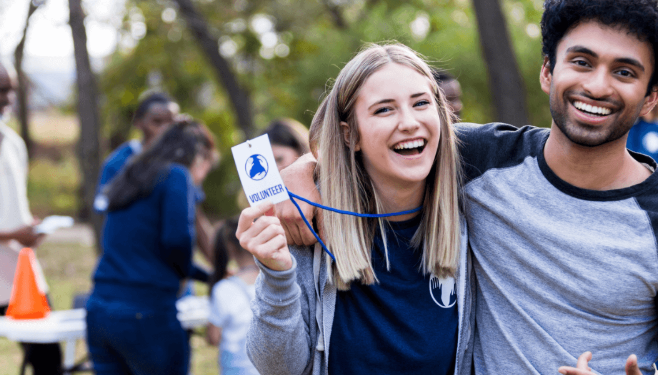
The landscape of volunteerism is undergoing a radical transformation. Gone are the days when community service was viewed merely as a weekend hobby or a retirement pastime. Today, volunteerism has evolved into a sophisticated ecosystem of social impact, driven by digital connectivity, value-alignment, and intergenerational synergy. To build a sustainable “Pillar Page” for any non-profit or community organization, one must understand the distinct motivations of different age groups—from the tech-savvy, socially conscious Gen Z to the experienced, mission-driven older adults participating in programs like the AARP Foundation Experience Corps.
This guide explores the mechanisms of modern engagement, providing a deep dive into how organizations can bridge the gap between generations. By integrating the enthusiasm of youth with the wisdom of experience, organizations can create a more resilient and effective humanitarian infrastructure. We will dissect the specific strategies required to attract students, retain Gen Z activists, and maximize the impact of intergenerational tutoring and mentorship programs.
Understanding the Evolution of Modern Volunteerism
Modern volunteerism is no longer a one-size-fits-all model. It requires a nuanced understanding of demographic motivations and the utilization of diverse platforms for outreach. The shift from traditional “charity” to “social impact” means that volunteers today want to see tangible results and feel that their personal values are reflected in the organizations they support.
The Shift Toward Impact-Oriented Service
Volunteers are increasingly looking for roles that offer more than just a sense of “giving back.” They are seeking “impact-oriented” opportunities. This is particularly true for younger generations who view their time as a form of social currency. They want to know exactly how their contribution—whether it is two hours of tutoring or a week of environmental cleanup—moves the needle on global issues like climate change, literacy, or social justice.
The Role of Technology in Community Mobilization
Technology has lowered the barrier to entry for volunteering. From mobile apps that track service hours to social media platforms that facilitate viral “calls to action,” the digital infrastructure is essential. Organizations must adopt a digital-first mindset to stay relevant. This includes maintaining an active social media presence, offering virtual volunteering options, and ensuring that the sign-up process is as frictionless as possible.

Strategies to Attract and Retain Gen Z Volunteers
Generation Z (born between the late 1990s and early 2010s) is perhaps the most socially conscious generation to date. However, attracting them requires more than just a mission statement; it requires radical authenticity and a clear alignment with their core values. Gen Z volunteers are not just looking for a line on their resume; they are looking for a community that shares their passion for equity and systemic change.
Prioritizing Values and Social Justice
To engage Gen Z, organizations must be vocal about their stance on social issues. This generation values diversity, equity, and inclusion (DEI). If an organization’s leadership does not reflect the diversity of the community it serves, Gen Z is likely to look elsewhere. They are attracted to organizations that tackle the root causes of problems rather than just treating the symptoms.
Offering Flexibility and Micro-Volunteering
Gen Z lives in a fast-paced, “on-demand” world. Traditional long-term commitments can be a deterrent. To combat this, organizations should implement micro-volunteering opportunities—short-term, task-oriented projects that can be completed in a few hours or even virtually. This allows Gen Z to contribute without feeling overwhelmed by a rigid schedule.
- Skill-Based Roles: Allow Gen Z to use their digital native skills, such as social media management, graphic design, or data analysis.
- Gamification: Use digital badges or leaderboards to make the volunteering experience more engaging and shareable on social platforms.
- Transparent Feedback Loops: Provide regular updates on the impact of their specific contributions to maintain long-term engagement.

The Power of Intergenerational Programs: AARP Experience Corps
While youth engagement is vital, the role of experienced adults cannot be overstated. The AARP Foundation Experience Corps serves as a gold standard for intergenerational volunteering. This program mobilizes adults aged 50 and older to tutor children in literacy, creating a powerful synergy that benefits both the volunteer and the student. This model proves that volunteering can be a transformative experience for the “mentor” as much as the “mentee.”
The Mechanics of Literacy Tutoring
The Experience Corps focuses on high-impact literacy tutoring for children in kindergarten through third grade. Older volunteers bring a level of patience, life experience, and consistency that is often missing in high-turnover educational environments. By focusing on fundamental reading skills, these volunteers help ensure that children are reading at grade level by the end of third grade—a key predictor of future academic success.
Benefits for Older Volunteers
Volunteering in intergenerational programs provides significant health and cognitive benefits for older adults. Research shows that participants in programs like Experience Corps experience decreased rates of isolation, improved physical mobility, and enhanced cognitive function. It provides a renewed sense of purpose, allowing retirees to pass on their wisdom to the next generation while staying socially active.

Inspiring the Next Generation: Engaging Students in Service
Engaging students in volunteerism at a young age is the most effective way to create lifelong civic advocates. However, students often face unique barriers, including academic pressure and a lack of transportation. To inspire the young ones, schools and non-profits must work together to make service accessible, educational, and fun.
Integrating Service Learning into Curricula
The most successful student engagement happens when volunteering is integrated into the school curriculum through Service Learning. This approach connects classroom lessons with real-world community service. For example, a biology class might volunteer at a local community garden to learn about ecology. This makes the service feel relevant to their education and future career paths.
The Role of Family and Peer Influence
Students are highly influenced by their social circles. Encouraging “family volunteering” or “group service projects” can significantly increase participation rates. When students see their parents or peers volunteering, it normalizes the behavior and turns it into a social activity rather than a chore. Organizations should create “Student Ambassador” programs to leverage peer-to-peer recruitment.
| Strategy | Target Audience | Key Benefit |
|---|---|---|
| Service Learning | K-12 Students | Academic Reinforcement |
| Micro-Volunteering | Gen Z / Professionals | Flexibility & Convenience |
| Intergenerational Tutoring | Seniors & Children | Cognitive Health & Literacy |
| Skill-Based Service | Gen Z / Young Adults | Career Development |

Overcoming Barriers to Multi-Generational Engagement
Despite the clear benefits, many organizations struggle to maintain a multi-generational volunteer base. The “Digital Divide” often separates older volunteers from younger ones, while “Time Poverty” affects students and working professionals. Overcoming these barriers requires a strategic, multi-faceted approach.
Bridging the Digital Divide
While Gen Z prefers digital communication, older volunteers may prefer phone calls or in-person orientations. Organizations must maintain multi-channel communication strategies. Additionally, creating “Tech Mentorship” programs where younger volunteers help older volunteers navigate new software can foster intergenerational bonding while solving technical hurdles.
Addressing Time Constraints and Accessibility
To maximize participation, organizations must offer roles that fit different lifestyles. This includes evening and weekend opportunities for students and working adults, as well as home-based tasks for those with mobility issues or limited transportation. Providing clear descriptions of the time commitment required for each role helps volunteers manage their expectations and avoid burnout.

Future Trends in Global Volunteer Initiatives
As we look toward the future, volunteerism will continue to be shaped by global trends such as Corporate Social Responsibility (CSR) and Virtual Reality (VR). Companies are increasingly offering “Volunteer Time Off” (VTO) to their employees, creating a massive influx of professional talent into the non-profit sector. Meanwhile, VR is being used to provide “immersive empathy” experiences, allowing volunteers to see the impact of their work in distant locations without leaving their homes.
The key to success in this evolving landscape is adaptability. Organizations that can successfully blend the technological prowess of the young with the steadfast dedication of the experienced will lead the way in creating a better world. By focusing on value-alignment, flexibility, and intergenerational connection, we can ensure that the spirit of volunteerism remains a vibrant and essential part of our global society.
Frequently Asked Questions (FAQ)
- Q1: How can small non-profits attract Gen Z volunteers on a limited budget?
- Focus on organic social media engagement and authenticity. Gen Z values real stories over high-production marketing. Use platforms like TikTok or Instagram to show behind-the-scenes impact and empower your current young volunteers to act as brand ambassadors.
- Q2: What makes the AARP Foundation Experience Corps different from other tutoring programs?
- Its focus on the 50+ demographic and its evidence-based approach to literacy are unique. The program is specifically designed to leverage the life experience of older adults to improve the academic and social-emotional outcomes of high-need students, creating a structured, long-term impact model.
- Q3: Is virtual volunteering as effective as in-person service?
- Yes, especially for skill-based tasks like digital marketing, legal advice, or remote tutoring. While it lacks the physical presence, it offers unparalleled flexibility and allows organizations to tap into a global talent pool that wouldn’t be accessible otherwise.
- Q4: How do I encourage my child to start volunteering?
- Start by identifying their interests. If they love animals, look for a local shelter. If they are tech-savvy, help them find a project helping seniors with computers. Making the first experience positive and aligned with their hobbies is crucial for long-term interest.
- Q5: What are the primary benefits of intergenerational volunteering?
- It breaks down age-related stereotypes, fosters community cohesion, and allows for a diverse exchange of skills. Younger volunteers gain wisdom and mentorship, while older volunteers gain digital literacy and a sense of renewed energy and purpose.