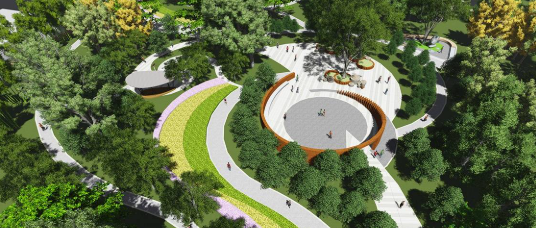
The modern metropolis is at a pivotal crossroads, driven by unprecedented challenges and revolutionary opportunities. As urban populations continue to swell, cities must evolve to become more sustainable, efficient, and equitable. This evolution is not a single-track process but a complex interplay of technological innovation, ecological design, social awareness, and digital culture. From the ground up, we are witnessing a re-imagining of urban spaces—how they function, how they feel, and who they serve. This comprehensive guide explores the key forces shaping the cities of tomorrow, examining the symbiotic relationship between green infrastructure, automated logistics, inclusive planning, and digital identity.
The Green Revolution: Forging Sustainable Urban Ecosystems
For decades, urban development was synonymous with concrete and steel, often at the expense of nature. Today, a paradigm shift is underway, recognizing that a city’s health is inextricably linked to its green spaces. Urban greening is no longer a cosmetic afterthought but a critical infrastructure strategy for building resilience against climate change and improving the quality of life for residents. This movement goes far beyond traditional parks, introducing innovative concepts that integrate nature directly into the urban fabric.
The “Sponge City” Concept
One of the most transformative ideas in sustainable urban design is the “Sponge City.” This initiative aims to mitigate urban flooding and water scarcity by fundamentally redesigning how cities manage rainwater. Instead of rapidly channeling stormwater away through concrete drains, sponge cities use a network of natural and engineered systems to absorb, store, and purify it. Key components include:
- Permeable Pavements: Replacing traditional asphalt with materials that allow water to seep through into the ground, replenishing aquifers.
- Green Roofs and Vertical Gardens: Covering buildings with vegetation that absorbs rainwater, reduces heat island effects, and improves air quality.
- Rain Gardens and Bioswales: Landscaped depressions that collect runoff, allowing it to be filtered by soil and plants before entering the water system.
- Constructed Wetlands: Creating natural water purification systems within the urban landscape.
By mimicking the natural water cycle, sponge cities reduce the strain on drainage systems, prevent flash floods, and create a more secure water supply, all while enhancing biodiversity and creating beautiful, functional green spaces.
Psychological and Social Benefits of Urban Greening
The impact of urban greening extends deep into the well-being of city dwellers. Access to nature has been scientifically proven to reduce stress, improve mental health, and encourage physical activity. Green corridors, community gardens, and revitalized riverbanks become social hubs where communities can connect. These spaces foster a sense of belonging and civic pride, transforming sterile urban environments into vibrant, living communities where people can thrive.

The Rise of Smart Logistics: Automating Urban Delivery
The surge in e-commerce has placed immense pressure on urban logistics, leading to increased traffic congestion, pollution, and delivery inefficiencies. The solution lies in smart logistics, a technology-driven approach that automates and optimizes the movement of goods within cities. This revolution promises to make urban delivery faster, cheaper, and more sustainable through the deployment of autonomous technology.
Autonomous Delivery Vehicles and Drones
The centerpiece of smart logistics is the use of autonomous systems for last-mile delivery. This includes a variety of technologies, each suited for different urban environments:
- Sidewalk Robots: Small, self-driving robots are ideal for delivering packages, groceries, and takeout in dense urban neighborhoods. They navigate sidewalks at a walking pace, reducing road traffic and emissions for short-distance trips.
- Autonomous Ground Vehicles (AGVs): Larger, self-driving vans and trucks can operate on city streets, handling bigger loads and serving as mobile parcel lockers. They can be programmed to operate during off-peak hours to minimize disruption.
- Delivery Drones: Unmanned aerial vehicles (UAVs) offer a solution for bypassing traffic altogether, providing rapid delivery for high-priority items like medical supplies or time-sensitive documents.
Rethinking Urban Infrastructure for Automation
The widespread adoption of smart logistics requires more than just new vehicles; it necessitates a rethinking of urban infrastructure. Cities are beginning to plan for a future that includes designated drone landing pads, curbside zones for robot drop-offs, and centralized micro-fulfillment centers. These small, local warehouses allow goods to be staged closer to the customer, enabling faster and more efficient dispatch of autonomous delivery fleets. This integrated system of technology and infrastructure will redefine convenience and efficiency in urban life.

Designing for All: The Imperative of Gender-Inclusive Urban Planning
A truly advanced city must be safe and accessible for all its residents. Historically, urban planning has been a male-dominated field, resulting in cities designed around the needs and travel patterns of men. This has created environments where women and other marginalized groups often feel unsafe or excluded. Gender-inclusive design seeks to rectify these flaws by viewing the urban landscape through a different lens, prioritizing safety, accessibility, and convenience for everyone.
Identifying and Mapping Urban Design Flaws
The first step towards inclusive design is understanding the problem. Women’s daily experiences in a city often involve “trip chaining”—making multiple short stops for caregiving, shopping, and work—a pattern traditional hub-and-spoke transit systems serve poorly. Safety is an even greater concern. Poorly lit streets, deserted underpasses, isolated public transit stops, and parks that are uninviting after dark all contribute to a heightened sense of vulnerability. These are not just perceptions; they are measurable design flaws that limit women’s freedom to fully participate in urban life.
Technology and Data-Driven Solutions
Technology is playing a crucial role in empowering citizens to reclaim their public spaces. A prime example is the Safetipin app, a platform that crowdsources safety data. Users can conduct “safety audits” of their neighborhoods, rating areas based on factors like lighting, visibility, and the presence of other people. This data is aggregated into a “Women’s Safety Map,” which provides a powerful tool for both individuals and city planners. It allows individuals to choose safer routes and provides municipalities with concrete data to prioritize infrastructure improvements, such as installing new streetlights or increasing police patrols in specific hotspots.
Principles for a Safer and More Inclusive City
Creating a gender-inclusive city involves applying specific design principles:
- Designing for “Eyes on the Street”: Promoting mixed-use developments where shops and residences create a natural flow of people at all hours, deterring crime through passive surveillance.
- Prioritizing Lighting and Visibility: Ensuring that all public spaces, from sidewalks to bus stops, are well-lit and free from visual obstructions.
- Accessible and Reliable Public Transit: Designing transit networks that cater to trip-chaining patterns and ensuring stations are safe, clean, and well-staffed.

The Digital Facade: How Social Media is Reshaping City Identity
In the digital age, a city’s identity is no longer shaped solely by its physical landmarks or official marketing campaigns. It is increasingly defined by the countless images and videos shared online. The rise of short-video platforms like TikTok and Douyin has given birth to the phenomenon of the “internet celebrity city,” where a place can achieve viral fame overnight, profoundly impacting its economy and social fabric.
The Mechanics of Viral Urban Fame
A city becomes an internet sensation not through a single iconic landmark, but through a collection of “punch-in” spots—unique, visually appealing locations that are perfect for short-form video content. This could be a uniquely designed bookstore, a futuristic bridge, a bustling night market, or even a particularly charismatic street vendor. When these spots are amplified by influencers and algorithms, they can attract a massive influx of tourists eager to replicate the viral experience for their own social media feeds. This form of digital word-of-mouth can be far more powerful and authentic than traditional tourism advertising.
The Economic Windfall and Its Challenges
The economic benefits of becoming an internet celebrity city are undeniable. This viral tourism can revitalize local economies, create jobs, and bring national attention to previously overlooked destinations. Cities like Chongqing in China have masterfully leveraged this phenomenon, turning their unique topography and cyberpunk aesthetic into a global brand. However, this newfound fame comes with significant challenges. Overtourism can strain public services, lead to environmental degradation, and displace local residents. There is also the risk of homogenization, as cities may begin to design spaces specifically for social media appeal, potentially losing their authentic cultural character in the process. The key for city leaders is to manage this digital identity proactively, balancing the economic opportunities with the need for sustainable and authentic urban development.
Frequently Asked Questions (FAQ)
- Q1: How can smart logistics and urban greening work together?
- These two trends are highly complementary. Green infrastructure, such as dedicated bike lanes and green corridors, can create perfect pathways for sidewalk delivery robots, separating them from heavier traffic. Micro-fulfillment centers can be designed with green roofs to reduce their environmental footprint. Furthermore, the efficiency gains from automated delivery reduce the number of large, polluting trucks on city streets, directly contributing to better air quality and making green spaces more enjoyable for everyone.
- Q2: What is the biggest obstacle to implementing gender-inclusive urban design?
- The biggest obstacle is often institutional inertia and a lack of awareness. Urban planning has traditionally been a data-driven field that often overlooks qualitative life experiences. To overcome this, cities must actively integrate gender-based analysis into every stage of planning and development. This means collecting data disaggregated by gender, conducting community consultations specifically with women’s groups, and ensuring that planning departments have diverse teams that reflect the populations they serve.
- Q3: Can a city artificially create an “internet celebrity” status?
- While a city can invest in photogenic public art and infrastructure, true viral fame is difficult to manufacture. Authenticity is key. The most successful “internet celebrity cities” are those whose online persona reflects a genuine and unique local culture, history, or landscape. Attempts to create sterile, “Instagrammable” spots without a real story behind them often fall flat. The most effective strategy is to identify and amplify a city’s existing unique characteristics rather than trying to invent new ones.
- Q4: How can cities ensure that technological advancements like delivery robots benefit all residents, not just the affluent?
- Ensuring equitable access is crucial. Municipalities can play a role by partnering with logistics companies to guarantee service coverage across all neighborhoods, not just the wealthiest ones. This could involve public-private partnerships or regulations that mandate city-wide service areas. Additionally, cities can promote the use of these technologies for public good, such as using robots to deliver meals to the elderly or medical supplies to underserved communities, ensuring the benefits of innovation are shared broadly.