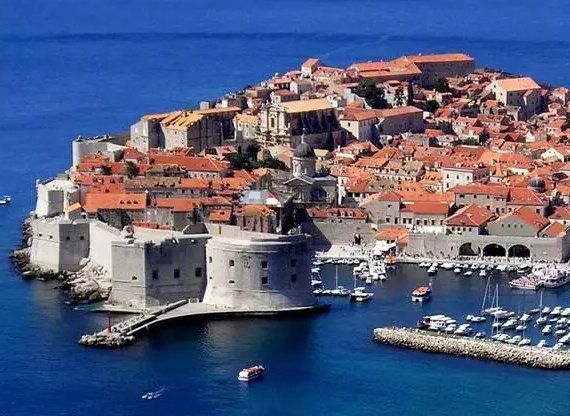
The narrative of human civilization is a tapestry woven with the threads of trade, language, faith, and sustenance. In the 21st century, these threads are under immense tension as globalization and rapid technological advancement reshape the landscape of cultural heritage. From the ancient dust of the Silk Road to the digital servers housing our historical records, the challenge of preservation has never been more complex or urgent. This guide explores the multi-dimensional facets of cultural evolution, analyzing how we navigate the delicate balance between progress and the preservation of our identity.
The Silk Road: From Ancient Caravans to High-Speed Rail
The Silk Road has long served as the primary artery of global exchange, facilitating not only the movement of goods like silk, spices, and precious metals but also the flow of ideas, religions, and technologies. Historically, this network of trade routes connected the East and West through arduous journeys across deserts and mountain ranges, where the pace of life was dictated by the speed of a camel caravan and the unpredictable nature of “wind and sand.”
The Historical Legacy of Cultural Exchange
In its ancient form, the Silk Road was more than a commercial path; it was a catalyst for biological and cultural hybridization. The “wind and sand” preface of the Silk Road represents a period where geographic barriers were formidable, yet human ingenuity found ways to bridge them. This era fostered the spread of Buddhism, Islam, and Christianity, while also introducing paper-making and gunpowder to the Western world. The resilience of these early travelers laid the foundation for the interconnected global society we inhabit today.
The Modern Transformation: High-Speed Rail and Digital Connectivity
Today, the Silk Road is experiencing a dramatic rebirth through the “One Belt, One Road” initiative and the implementation of high-speed rail networks. This “High-Speed Rail Chapter” signifies a shift from months of travel to mere days or hours. This modernization facilitates unprecedented economic integration but also poses questions about the homogenization of the cultures along these routes. The efficiency of modern transportation accelerates the physical exchange, while digital networks ensure that the intellectual exchange of the Silk Road continues in virtual spaces.

Globalization and the Resistance of Local Food Cultures
As global brands expand their reach, the culinary landscape of the world is undergoing a significant transformation. The presence of McDonald’s in almost every major city symbolizes the “Golden Arches” of globalization—a symbol of efficiency, standardization, and Western lifestyle. However, this expansion has met with a powerful counter-movement: the resistance of local food cultures, exemplified by the enduring popularity of traditional staples like the Shaanxi “Roujiamo.”
McDonald’s vs. Roujiamo: A Clash of Culinary Philosophies
The competition between the global hamburger and the local meat burger (Roujiamo) is not merely a matter of taste but a conflict of values. McDonald’s represents the industrialization of food, where consistency and speed are paramount. In contrast, the Roujiamo embodies a deep-rooted connection to local history, ingredients, and traditional preparation methods. Local food resistance is an act of preserving cultural identity in the face of a “standardized” global palate.
The Role of Gastronomy in Cultural Resilience
Food serves as a primary marker of cultural boundaries. When local communities prioritize traditional recipes over global fast food, they are engaging in a form of cultural protectionism. This resistance often manifests in:
- The “Slow Food” Movement: Prioritizing local sourcing and traditional cooking techniques.
- Culinary Tourism: Leveraging unique local flavors to attract global visitors who seek “authentic” experiences.
- Legislative Protection: Governments granting special status to traditional food items to prevent their dilution by global competitors.

The Secularization of Sacred Spaces in Modern Cities
Urbanization has fundamentally altered the role of sacred spaces within the city. Historically, temples, churches, and mosques were the central pillars of community life, serving as both spiritual sanctuaries and social hubs. In the modern city, however, the boundary between the sacred and the secular is increasingly blurred, as evidenced by the rise of “temple cafes” and the repurposing of religious architecture for commercial or social use.
Temples and Cafes: The New Urban Social Fabric
The phenomenon of integrating cafes into temple grounds reflects a broader trend of “secularized sacredness.” For modern urbanites, the temple is no longer just a place for ritual; it is a space for relaxation, socialization, and aesthetic consumption. While this helps religious institutions remain relevant in a secular age, it also sparks debate about the potential loss of spiritual sanctity. The secularization of sacred spaces represents a pragmatic adaptation to the fast-paced, consumer-driven nature of modern urban life.
Impact on Community and Spiritual Practices
This shift has profound implications for how communities interact with their heritage. On one hand, it makes cultural heritage more accessible to the youth and secular populations. On the other, it risks turning spiritual sites into mere “Instagrammable” backdrops, where the original religious and historical context is overshadowed by the modern lifestyle experience. Balancing the needs of a modern city with the preservation of a site’s sacred essence requires careful urban planning and sensitive cultural management.

Linguistic Geography: The Crisis of Disappearing Dialects
Language is the most intimate vehicle of culture, carrying the unique worldviews, histories, and wisdom of its speakers. However, we are currently witnessing a “crisis of cultural heritage” through the lens of linguistic geography. As national languages and global tongues (like English and Mandarin) dominate education and media, local dialects are disappearing at an alarming rate.
Drivers of Language Loss in the Globalized Era
The disappearance of dialects is rarely an accidental process; it is driven by several systemic factors:
- Urbanization: Migration to cities often forces individuals to abandon their native dialects in favor of a common lingua franca.
- Digital Homogenization: The internet and social media platforms predominantly support major languages, leaving little room for dialect-specific content.
- Educational Policy: Standardized curricula often prioritize national languages, viewing dialects as “obstacles” to social mobility.
The Importance of Dialect Revitalization
When a dialect dies, a unique way of seeing the world dies with it. Dialects often contain specific terminology for local flora, fauna, and social customs that have no equivalent in standard languages. Linguistic geography shows that the loss of these dialects leads to a narrowing of human cognitive and cultural diversity. Revitalization efforts, such as dialect-based media, community storytelling projects, and digital archives, are essential to maintaining the richness of our global linguistic heritage.

Digital Preservation: Safeguarding Cultural Heritage Data
In the digital age, cultural heritage is increasingly stored as data. From high-resolution scans of ancient manuscripts to digital records of oral histories, the “digitization of heritage” offers incredible opportunities for access and study. However, this shift also introduces new risks that require global cooperation and advanced technological solutions.
Risks of Data Loss and Cyber Threats
The protection of cultural heritage data is fraught with challenges. Physical artifacts can be destroyed by war or natural disasters, but digital data is vulnerable to:
- Technological Obsolescence: Rapid changes in hardware and software can render digital archives unreadable within decades.
- Cyberattacks: State-sponsored or criminal hacking can lead to the theft or destruction of irreplaceable cultural records.
- Data Fragmentation: Heritage data is often scattered across various institutions and platforms, making it difficult to manage and protect holistically.
Global Strategies for Data Protection
To mitigate these risks, international organizations are developing robust frameworks for cultural data protection. This includes the use of blockchain for authenticating digital artifacts, decentralized storage to prevent single points of failure, and the establishment of “digital vaults” in geopolitically stable regions. Effective data management is now as critical to heritage preservation as the physical restoration of ancient monuments.

Global Challenges in Cultural Heritage Protection
The preservation of cultural heritage is no longer a local concern but a global imperative. As we have seen, the threats are diverse—from the economic pressures of globalization and the social shifts of urbanization to the technical risks of the digital era. Addressing these challenges requires a multi-faceted approach that integrates technology, policy, and community engagement.
| Heritage Dimension | Primary Threat | Preservation Strategy |
|---|---|---|
| Linguistic | Standardization & Urbanization | Dialect Archiving & Community Schools |
| Culinary | Global Fast Food Expansion | Slow Food Movement & GI Status |
| Architectural/Sacred | Secularization & Commercialization | Adaptive Reuse & Sensitive Urban Planning |
| Digital/Data | Cyber Threats & Obsolescence | Decentralized Storage & Global Standards |
The Role of International Cooperation
No single nation can protect its heritage in isolation. The Silk Road’s modern transformation shows that connectivity brings both opportunity and risk. International bodies like UNESCO play a vital role, but the future of heritage preservation will likely depend on public-private partnerships and the active participation of local communities who are the true custodians of their culture.

Conclusion: Balancing Modernity and Tradition
The journey from the ancient Silk Road to the digital archives of today reveals a fundamental truth: culture is not static. It evolves, adapts, and occasionally retreats. The challenge for the modern world is to ensure that this evolution does not result in the erasure of our past. By valuing local food, protecting disappearing dialects, and securing our digital heritage, we can build a future that is modern yet deeply rooted in the richness of human history. True progress is measured not just by the speed of our trains or the reach of our networks, but by our ability to carry our heritage with us into the future.
Frequently Asked Questions (FAQ)
- Q1: Why is the preservation of local dialects considered a “crisis”?
- The loss of dialects is a crisis because it represents the disappearance of unique cultural identities and specialized knowledge. Dialects often contain specific ecological and historical information that is lost when a community switches to a standardized language, leading to a significant reduction in human cultural and cognitive diversity.
- Q2: How does the “secularization of sacred spaces” affect modern cities?
- It changes the urban social fabric by turning religious sites into multifunctional spaces (like temple cafes). While this keeps the sites economically viable and accessible to a broader audience, it poses a challenge in maintaining the spiritual and historical integrity of the space, potentially leading to the “commodification” of faith.
- Q3: What are the main risks to cultural heritage data in the digital age?
- The primary risks include technological obsolescence (where old data formats become unreadable), cyberattacks (theft or destruction of digital records), and physical damage to data centers. Unlike physical artifacts, digital data requires constant maintenance and migration to remain accessible over long periods.
- Q4: How can local food resist the influence of global fast-food chains?
- Local food resistance is achieved through community support for traditional eateries, the promotion of culinary heritage as a tourist attraction, and legal protections like “Geographical Indication” (GI) status. This helps maintain the economic viability and cultural relevance of traditional foods like the Roujiamo in the face of global competition.
- Q5: What is the significance of the “High-Speed Rail” in the context of the Silk Road?
- High-speed rail represents the ultimate modernization of the ancient trade route. It significantly reduces the time and cost of transport, fostering deeper economic and cultural integration across Eurasia. However, it also accelerates the potential for cultural homogenization, making the preservation of local identities along the route more critical than ever.