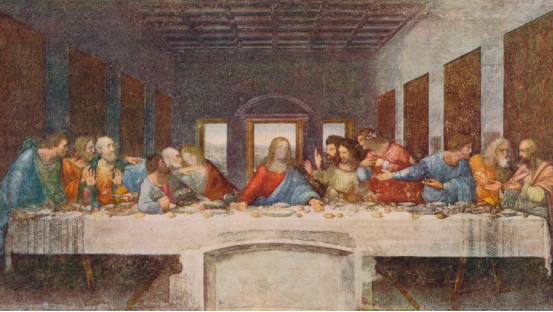
Painting stands as one of humanity’s oldest and most enduring forms of expression, a universal language that transcends time and culture. From the primal markings on cave walls to the intricate masterpieces of the Renaissance and the revolutionary canvases of modern art, painting has continuously evolved, mirroring and influencing societal shifts, technological advancements, and philosophical thought. This comprehensive pillar page is meticulously crafted to serve as an authoritative resource, offering an in-depth exploration into the rich tapestry of painting, encompassing its historical trajectory, fundamental techniques, theoretical underpinnings, and the profound differences that distinguish various artistic eras. We will delve into the essential skills of sketching and drawing, dissect the intricate principles of color theory, examine the timeless art of portraiture, and provide a critical comparison between classical and modern painting traditions. Prepare to embark on an enlightening journey that not only educates but also inspires a deeper appreciation for the boundless creativity inherent in the art of painting.
The Rich Tapestry of Painting History: From Caves to Canvases
The history of painting is a sprawling narrative of human ingenuity and cultural evolution, spanning tens of thousands of years. It begins with rudimentary marks born of necessity and ritual, progresses through periods of profound philosophical and religious influence, and culminates in an explosion of diverse styles and movements that continue to redefine the boundaries of art. Understanding this historical context is crucial for any artist or enthusiast, as it reveals the continuous dialogue between past and present, tradition and innovation.
Prehistoric Origins and Ancient Civilizations
The earliest known paintings date back to the Upper Paleolithic era, approximately 40,000 years ago, found in caves like Lascaux and Chauvet. These ancient murals, primarily depicting animals and hunting scenes, were not merely decorative but often served ritualistic or communicative purposes, reflecting the spiritual beliefs and daily lives of early humans. Pigments derived from natural minerals, charcoal, and ochre were applied using fingers, moss, or rudimentary brushes, demonstrating an innate human desire to record and interpret the world. As civilizations emerged in Egypt, Mesopotamia, Greece, and Rome, painting evolved to serve more structured societal functions. Egyptian tomb paintings, for instance, adhered to strict conventions, depicting figures in a distinctive frontal-profile view, emphasizing the afterlife and divine order. Greek painting, though largely lost to time, is known through literary descriptions and Roman copies, suggesting a sophisticated understanding of form and narrative. Roman frescoes, such as those found in Pompeii, showcase remarkable skill in depicting mythological scenes, portraits, and landscapes, often employing illusionistic techniques to create depth.
- Cave Paintings: Oldest known art forms, often ritualistic, using natural pigments.
- Egyptian Art: Highly stylized, focused on afterlife, strict iconographic rules.
- Greek & Roman Art: Emphasized human form, mythology, early illusionism in frescoes.
The Renaissance and the Golden Age of Art
The European Renaissance, from the 14th to the 17th century, marked a pivotal period, often considered the golden age of painting. Fueled by a renewed interest in classical antiquity, humanism, and scientific inquiry, artists like Leonardo da Vinci, Michelangelo, and Raphael pushed the boundaries of technique and representation. The invention of oil painting allowed for richer colors, greater detail, and smoother transitions, enabling unprecedented realism. Techniques such as linear perspective, chiaroscuro (light and shadow), and sfumato (soft, hazy transitions) were mastered, creating works that were not only visually stunning but also emotionally profound and intellectually stimulating. Patrons, including the Church and wealthy families like the Medicis, commissioned grand artworks that celebrated human achievement and divine glory, establishing painting as a central pillar of Western culture.
- Key Innovations: Oil painting, linear perspective, chiaroscuro, sfumato.
- Prominent Artists: Leonardo da Vinci, Michelangelo, Raphael, Botticelli.
- Themes: Religious narratives, mythology, portraiture, humanism.
From Baroque to Romanticism: Emotional Depth and Drama
Following the Renaissance, the Baroque period (17th century) introduced dramatic intensity, grandeur, and emotional exuberance, exemplified by artists like Caravaggio, Rubens, and Rembrandt. This era utilized strong contrasts of light and shadow, dynamic compositions, and rich, vibrant colors to evoke powerful emotional responses, often in service of the Counter-Reformation. Rococo (18th century) offered a lighter, more playful aesthetic, characterized by delicate pastels, intricate ornamentation, and themes of love and leisure. The late 18th and early 19th centuries saw the rise of Neoclassicism, a return to the classical ideals of order, clarity, and moral virtue, championed by artists like Jacques-Louis David. This was quickly followed by Romanticism, a movement that prioritized emotion, individualism, and the sublime, with artists like Eugène Delacroix and J.M.W. Turner exploring themes of nature’s power, exoticism, and intense personal feeling.
- Baroque: Drama, contrast, grandeur (Caravaggio, Rembrandt).
- Rococo: Lightness, ornamentation, playful themes (Fragonard, Watteau).
- Neoclassicism: Order, virtue, classical inspiration (David, Ingres).
- Romanticism: Emotion, individualism, nature’s power (Delacroix, Turner).
The Dawn of Modern Art: Breaking Conventions
The mid-19th century marked the beginning of modern art, characterized by a radical departure from traditional academic conventions and a continuous exploration of new forms, techniques, and ideas. Impressionism, led by Monet and Renoir, focused on capturing fleeting moments of light and atmosphere. Post-Impressionists like Van Gogh and Cézanne pushed personal expression and structural experimentation. The 20th century witnessed an explosion of movements: Cubism fragmented reality, Surrealism explored the subconscious, Abstract Expressionism emphasized raw emotion, and Pop Art challenged notions of high culture. These movements collectively redefined what painting could be, shifting its focus from mere representation to a deeper engagement with form, color, concept, and the artist’s subjective experience. This era introduced a vast array of styles, demonstrating a constant quest for innovation and a willingness to break free from established norms, paving the way for the diverse and often challenging art of today.
- Impressionism: Light, atmosphere, fleeting moments (Monet, Renoir).
- Post-Impressionism: Personal expression, structural exploration (Van Gogh, Cézanne).
- 20th Century Movements: Cubism, Surrealism, Abstract Expressionism, Pop Art.
- Core Shift: From representation to subjective experience and conceptual exploration.

Mastering the Fundamentals: Sketching, Drawing, and Observation
Before any brush touches canvas, the foundational skills of sketching and drawing lay the groundwork for effective artistic creation. These disciplines are not merely preliminary steps but essential art forms in their own right, teaching artists how to see, understand, and translate the three-dimensional world onto a two-dimensional surface. Mastery of these fundamentals is critical for developing visual literacy, precision, and the ability to convey complex ideas with clarity and impact.
The Indispensable Role of Sketching in Artistic Practice
Sketching is often the first interaction an artist has with an idea or subject. It is a rapid, spontaneous form of drawing used to capture initial impressions, explore compositions, and develop concepts without the pressure of perfection. Artists use sketches to brainstorm, plan larger works, or simply to practice and refine their observational skills. The beauty of sketching lies in its immediacy and freedom, allowing for experimentation with line, form, and value. Many master artists kept sketchbooks filled with studies from life, anatomical notes, and compositional ideas, demonstrating the integral role sketching plays in their creative process. This practice helps to train the eye to quickly discern essential forms and relationships, building a visual vocabulary that is invaluable for all other artistic endeavors.
- Purpose: Capturing initial ideas, exploring compositions, rapid ideation.
- Characteristics: Spontaneous, free, often incomplete.
- Benefits: Develops observational skills, visual memory, and problem-solving.
- Tools: Pencil, charcoal, pen, digital stylus on any available surface.
Drawing Techniques for Form, Proportion, and Perspective
Drawing, while encompassing sketching, refers to a more deliberate and refined process aimed at creating accurate and detailed representations. Key drawing techniques are essential for rendering objects convincingly:
Form and Volume: Artists use shading techniques like hatching, cross-hatching, stippling, and blending to create the illusion of three-dimensional form on a flat surface. Understanding how light falls on an object and creates shadows (cast shadows, form shadows) is crucial for conveying volume and depth.
Proportion: Accurately depicting the relative size and scale of different parts of a subject is fundamental. Techniques like sighting (using a pencil or ruler to measure proportions from life) and using comparative measurements help artists maintain correct relationships between elements within a composition. For example, in figure drawing, understanding anatomical proportions (e.g., head-lengths) is vital.
Perspective: This technique creates the illusion of depth and distance on a two-dimensional plane.
- One-Point Perspective: Used when viewing objects straight on, with lines receding to a single vanishing point on the horizon line. Ideal for interiors or roads.
- Two-Point Perspective: Used when viewing objects from an angle, with lines receding to two vanishing points. Common for exterior architectural drawings.
- Three-Point Perspective: Adds a third vanishing point, typically above or below the horizon, to depict objects viewed from extreme angles, such as looking up at a tall building or down from a great height.
Mastering these techniques allows artists to construct believable spaces and objects, making their drawings appear solid and grounded.
Developing Observational Skills: Seeing Like an Artist
Beyond technical proficiency, drawing is fundamentally about learning to “see” differently. An artist’s eye is trained to perceive details, nuances, and relationships that the average person might overlook. This involves breaking down complex subjects into simpler forms, understanding the interplay of light and shadow, and recognizing the underlying structure of objects.
- Negative Space: Paying attention to the space around and between objects can help accurately define their positive forms and relationships.
- Value Studies: Creating drawings that focus solely on the range of light and dark tones helps artists understand how value defines form and creates mood.
- Gesture Drawing: Quick, expressive drawings that capture the essence of a pose or movement, emphasizing fluidity and energy over precise detail.
- Contour Drawing: Focusing on the edges and outlines of objects, either blind (without looking at the paper) or continuous (without lifting the pen), to enhance hand-eye coordination and sensitivity to form.
Consistent practice in observation, coupled with the application of drawing techniques, empowers artists to translate their perceptions into compelling visual narratives, whether for a quick sketch or a meticulously rendered drawing.

Capturing Character: The Art of Portraiture in Classical and Contemporary Styles
Portraiture is a deeply personal and often challenging genre of painting that aims to do more than just record a likeness; it seeks to capture the essence, personality, and even the soul of the subject. Throughout history, portraits have served various purposes, from immortalizing rulers and documenting social status to exploring individual identity and psychological depth. The journey from classical ideals to contemporary interpretations reveals a fascinating evolution in how artists approach the human face and form.
Foundations of Classical Portraiture: Anatomy and Expression
Classical portraiture, particularly prominent during the Renaissance and subsequent academic traditions, placed a strong emphasis on anatomical accuracy, idealization, and the conveyance of status or virtue. Artists studied human anatomy extensively, understanding the underlying bone structure and musculature to render faces and bodies with convincing realism.
- Anatomical Precision: Mastery of cranial structure, facial muscles, and their subtle movements was paramount. Artists often began with écorché (flayed figure) studies to understand the mechanics of expression.
- Idealized Forms: While striving for likeness, classical portraitists frequently refined features to conform to ideals of beauty, wisdom, or nobility, rather than depicting every flaw. The goal was often to present the subject in their best, most dignified light.
- Symbolism and Allegory: Poses, gestures, clothing, and background elements were carefully chosen to convey specific messages about the sitter’s profession, social standing, virtues, or aspirations. For example, a book might symbolize scholarship, or a specific flower, a particular virtue.
The focus was on creating a lasting image that communicated the sitter’s public persona and enduring legacy, often for posterity or official representation.
Techniques for Rendering Likeness and Personality
Achieving a true likeness goes beyond merely copying features; it involves understanding the unique qualities that make an individual recognizable. Artists employ several techniques to capture both physical accuracy and an elusive sense of personality:
- Proportion and Placement: Accurately measuring the distances between features (eyes, nose, mouth) and their placement on the head is crucial. Tools like sighting and grid methods are often employed to ensure precision.
- Value and Form: Using a full range of tonal values (lights, mid-tones, darks) to sculpt the face, creating the illusion of three-dimensionality. Understanding how light interacts with facial planes helps define features and convey volume.
- Edge Control: Varying the sharpness or softness of edges can draw attention to key features (e.g., sharp edges for eyes) and soften others to create a sense of depth and realism.
- Capturing Expression: Observing subtle shifts in the eyes, mouth, and brow is vital. A slight tilt of the head, a hint of a smile, or a thoughtful gaze can reveal much about a person’s inner state. This requires keen observation and empathy from the artist.
- Underpainting and Glazing: Many classical painters used layered techniques, starting with a monochrome underpainting to establish values, then building up color and detail with transparent glazes to achieve luminous skin tones and rich textures.
The ability to combine these technical skills with an intuitive understanding of human emotion distinguishes a good portrait from a truly great one.
Evolution of Portraiture: From Royalty to the Everyday
While classical portraiture often depicted royalty, nobility, and religious figures, the genre has broadened significantly over time to include a wider array of subjects and stylistic approaches.
Dutch Golden Age: Artists like Rembrandt revolutionized portraiture by emphasizing psychological depth and individual character, often depicting ordinary citizens with profound humanity and emotional intensity. His self-portraits are a masterclass in introspective study.
Impressionism and Beyond: Modern artists began to challenge the formal rigidity of classical portraits. Impressionists focused on capturing candid moments and the interplay of light and color, often depicting friends and family in informal settings. Post-Impressionists and Expressionists used distorted forms and vibrant colors to convey inner feelings rather than strict external likeness. Artists like Frida Kahlo used self-portraiture as a vehicle for intense personal narrative and self-exploration.
Contemporary Portraiture: Today, portraiture is incredibly diverse, ranging from hyper-realistic renditions to abstract interpretations. Artists explore themes of identity, social commentary, and the digital self. Photography has also profoundly influenced portraiture, pushing painters to find unique ways to interpret the human image beyond mere replication. The scope has expanded to include everyday people, marginalized communities, and even conceptual representations of identity, moving beyond mere physical appearance to deeper narratives.
In essence, portraiture remains a powerful medium for exploring what it means to be human, continually adapting its forms and functions to reflect the changing world and our understanding of ourselves.

Unlocking Visual Harmony: A Deep Dive into Color Theory
Color is arguably the most captivating element in painting, capable of evoking profound emotions, creating illusions of depth, and defining the mood of an entire artwork. Yet, its effective use is far from intuitive; it relies on a systematic understanding of color theory. This field provides artists with a framework for understanding how colors interact, how they affect perception, and how they can be manipulated to achieve specific visual and psychological effects. Mastering color theory is akin to learning the grammar of a visual language, enabling artists to speak with clarity and impact.
Understanding the Color Wheel: Primary, Secondary, and Tertiary Colors
The color wheel is the fundamental tool of color theory, visually representing the relationships between colors. It is typically based on subtractive color mixing, relevant for pigments in painting:
- Primary Colors: Red, Yellow, Blue. These are the foundational colors from which all other colors can be mixed. They cannot be created by mixing other colors.
- Secondary Colors: Green, Orange, Violet. These are created by mixing two primary colors.
- Red + Yellow = Orange
- Yellow + Blue = Green
- Blue + Red = Violet
- Tertiary Colors: These are formed by mixing a primary color with an adjacent secondary color. Examples include Red-Orange, Yellow-Green, Blue-Violet, etc. There are six tertiary colors, each named by combining the primary and secondary color names.
Understanding this hierarchical structure of the color wheel provides a logical basis for color selection and mixing, ensuring a harmonious palette and predictable results.
Color Relationships: Complementary, Analogous, and Triadic Schemes
Beyond the basic categories, colors interact in specific ways that artists utilize to create visual interest, balance, or tension:
- Complementary Colors: Colors directly opposite each other on the color wheel (e.g., Red and Green, Blue and Orange, Yellow and Violet). When placed next to each other, they create maximum contrast and vibrancy, making each other appear more intense. When mixed, they can neutralize each other, producing browns or grays. Artists use complementary colors to create dynamic compositions and focal points.
- Analogous Colors: Colors that are next to each other on the color wheel (e.g., Blue, Blue-Green, Green). They share a common hue and tend to create harmonious, serene, and comfortable compositions. They are often used to establish a dominant mood or color scheme without jarring contrasts.
- Triadic Colors: Three colors equally spaced around the color wheel (e.g., Red, Yellow, Blue; Green, Orange, Violet). These schemes offer strong visual contrast while maintaining balance and richness. They are vibrant and dynamic, often used to create bold and expressive works.
- Monochromatic Schemes: Variations in value and saturation of a single color. This creates a subtle and sophisticated effect, focusing on form and texture rather than color contrast.
By consciously choosing one of these schemes, artists can control the overall feel and visual impact of their paintings, guiding the viewer’s eye and emotions.
The Psychological Impact and Emotional Power of Color
Color is not just a visual phenomenon; it carries profound psychological and emotional weight, often influencing our moods and perceptions on a subconscious level. Artists leverage this power to imbue their works with deeper meaning and emotional resonance:
- Warm Colors (Reds, Oranges, Yellows): Tend to evoke feelings of energy, passion, warmth, and excitement. They can also suggest anger or danger. Warm colors typically advance in a composition, appearing closer to the viewer.
- Cool Colors (Blues, Greens, Violets): Often associated with calmness, serenity, peace, and introspection. They can also evoke feelings of sadness or aloofness. Cool colors tend to recede, creating a sense of distance or space.
- Neutral Colors (Grays, Browns, Blacks, Whites): Provide balance and can temper the intensity of vibrant colors. They often convey sophistication, stability, or a minimalist aesthetic.
- Cultural Symbolism: It’s important to note that color symbolism can vary significantly across cultures. For example, white signifies purity in Western cultures but mourning in some Eastern traditions.
A masterful painter understands not only the scientific basis of color but also its emotional language, using it to craft narratives and evoke specific experiences for the viewer.
Practical Application of Color Theory in Painting
Applying color theory in practice involves more than just mixing paints; it’s about making informed decisions at every stage of the painting process:
- Palette Selection: Choosing a limited or expanded palette based on the desired mood and subject matter. A limited palette can foster harmony, while an expanded one offers more expressive range.
- Color Mixing: Understanding how to achieve specific hues, values, and saturations. This includes knowing how to mix pure colors, neutralize them, and create nuanced shades.
- Value and Chroma Control: Adjusting the lightness/darkness (value) and intensity/purity (chroma) of colors to create form, depth, and focal points. High chroma colors draw attention, while desaturated colors create atmosphere.
- Color Temperature: Using warm and cool variations within the same hue to create subtle shifts and enhance realism (e.g., a warm red in sunlight, a cooler red in shadow).
- Atmospheric Perspective: Applying cooler, desaturated colors and lighter values to objects in the distance to create the illusion of atmospheric haze and depth.
Through diligent practice and a deep understanding of these principles, artists can transform raw pigments into vibrant, cohesive, and emotionally resonant works of art, truly unlocking the visual harmony that color theory promises.

Classical vs. Modern Painting: A Comparative Analysis of Artistic Eras
The history of painting is often viewed as a continuous progression, yet few distinctions are as profound as that between classical and modern art. While both represent pinnacles of human creativity, they are fundamentally separated by their philosophical underpinnings, aesthetic goals, and technical approaches. Understanding these differences is key to appreciating the unique contributions of each era and the revolutionary shifts that led to the birth of modernism.
Defining Characteristics of Classical Painting
Classical painting, broadly encompassing periods from the Renaissance through Neoclassicism (roughly 14th to mid-19th century), is characterized by a strong adherence to established norms, a reverence for antiquity, and a pursuit of ideal beauty and order. Its core tenets include:
- Emphasis on Realism and Idealization: Classical artists strived for anatomical accuracy and lifelike representation, often idealizing figures to convey perfection, heroism, or divine grace. The goal was to depict the world not necessarily as it is, but as it could be in its most perfect form.
- Clear Narrative and Subject Matter: Paintings typically told stories from mythology, religion, history, or depicted significant portraits. The narrative was usually clear, morally uplifting, or instructional, with figures interacting in a logical, understandable space.
- Structured Composition and Harmony: Compositions were often balanced, symmetrical, and employed linear perspective to create a rational, deep space. Harmony, order, and clarity were paramount, guiding the viewer’s eye through a well-organized scene.
- Mastery of Technique: A high degree of technical skill was expected, including precise drawing, sophisticated use of chiaroscuro to model forms, and meticulous layering of oil paints to achieve luminous colors and smooth transitions. The artistic process was often lengthy and demanding.
- Didactic or Commemorative Purpose: Classical art often served to educate, promote religious doctrine, commemorate historical events, or glorify patrons. Art was seen as a vehicle for grand ideas and societal values.
Examples include the works of Raphael, Leonardo da Vinci, Rembrandt, and Jacques-Louis David, each demonstrating a commitment to these principles within their respective styles.
Emergence and Principles of Modern Painting
Modern painting, beginning in the mid-19th century with movements like Realism and Impressionism, and exploding into the 20th century with Cubism, Surrealism, Abstract Expressionism, and many others, represents a radical break from classical traditions. Its emergence was driven by societal changes (Industrial Revolution, urbanization), new scientific discoveries (photography, color theory), and philosophical shifts (individualism, psychoanalysis). Key principles include:
- Subjectivity and Personal Expression: Modern artists prioritized individual experience, emotion, and interpretation over objective reality. The artist’s inner world became as important as the external world.
- Rejection of Traditional Realism: While some early modern movements like Realism focused on everyday life, subsequent movements actively distorted, abstracted, or fragmented reality. The goal was often not to mirror the world but to interpret it, challenge perceptions, or explore non-representational forms.
- Experimentation with Form, Color, and Technique: Modern painters constantly pushed the boundaries of materials and methods. Color was used for emotional impact rather than strict representation; brushstrokes became visible and expressive; and new materials and collage techniques were incorporated.
- Focus on the Medium Itself: Many modern artists became interested in the inherent qualities of paint, line, and surface, rather than just what they represented. The flatness of the canvas, the texture of the paint, and the act of painting itself became subjects.
- Challenging Established Norms: Modern art often aimed to provoke, question, and redefine art’s purpose. It broke free from academic rules, traditional patronage, and often faced initial public resistance.
Artists such as Claude Monet, Vincent van Gogh, Pablo Picasso, Salvador Dalí, and Jackson Pollock exemplify the diverse and revolutionary spirit of modern painting.