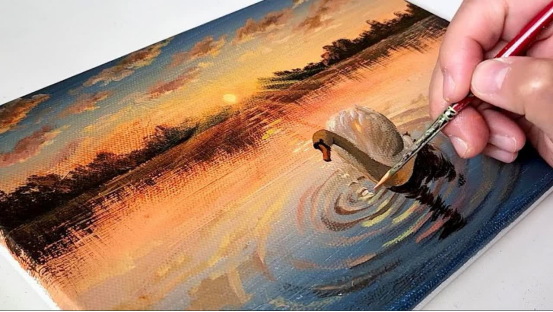
Introduction to Artistic Painting: A World of Mediums
The realm of artistic painting is vast and endlessly captivating, offering a myriad of mediums through which artists can translate their inner visions onto canvas, paper, or other surfaces. Each painting medium possesses a unique character, dictating not only the aesthetic outcome but also the creative process, the tools employed, and the techniques an artist must master. Understanding these distinctions is fundamental for any aspiring or seasoned artist looking to expand their expressive capabilities. This comprehensive guide delves deeply into three of the most popular and versatile painting mediums: acrylics, watercolors, and oil paints. We will explore their historical contexts, chemical compositions, practical applications, and the specific skills required to harness their full potential. By dissecting each medium, we aim to provide a robust framework for artists to choose, learn, and excel in their chosen artistic path, encouraging experimentation and a deeper appreciation for the diverse beauty of painted art.

Acrylic Painting: Versatility, Speed, and Bold Expression
Acrylic paint, a relatively modern invention compared to its counterparts, has revolutionized the art world with its unparalleled versatility and rapid drying time. Developed in the mid-20th century, acrylics are synthetic paints made from pigment suspended in an acrylic polymer emulsion, making them water-soluble when wet and water-resistant when dry. This dual nature allows for incredible flexibility, enabling artists to work quickly, layer colors without long waits, and experiment with a wide range of techniques from thin washes to thick impasto. The medium’s ability to adhere to almost any non-oily surface – including canvas, wood, paper, fabric, and even metal – further cements its status as a favorite among contemporary artists seeking dynamic and immediate results.
Understanding Acrylic Characteristics and Composition
The core appeal of acrylics stems from their unique chemical structure. The acrylic polymer binder, often a synthetic resin, encapsulates the pigment, creating a durable and flexible paint film upon drying. This makes acrylic paintings less prone to cracking over time compared to some older mediums. Crucially, the drying process involves the evaporation of water, which is significantly faster than the oxidation process of oil paints. This characteristic profoundly impacts the painting workflow, allowing for quick adjustments and rapid progression of a piece. Acrylics can be opaque, semi-transparent, or fully transparent depending on their dilution and the addition of various mediums, offering a broad spectrum of expressive possibilities.
- Quick Drying: Allows for rapid layering, glazing, and swift project completion.
- Water Soluble (Wet) / Water Resistant (Dry): Easy cleanup with water, durable finish when dry.
- Versatile Application: Can mimic watercolors, oils, or create unique textures.
- Excellent Adhesion: Sticks to a vast array of surfaces without special priming (though priming is often recommended).
- Color Vibrancy: Colors remain bright and intense even after drying.
Key Techniques for Acrylic Artists
The flexibility of acrylics lends itself to a diverse array of painting techniques, making it an excellent medium for exploration and mixed media work. Mastering these techniques unlocks the full expressive potential of acrylics:
- Layering and Glazing: Due to quick drying, artists can apply multiple thin, transparent layers (glazes) to build up color depth and luminosity, or opaque layers to create solid forms.
- Impasto: Applying thick layers of paint, often with a palette knife, to create textured surfaces and visible brushstrokes, adding dimension and tactile quality to the artwork.
- Washes: Diluting acrylics with water or a flow improver creates translucent washes, similar to watercolors, perfect for background colors or soft transitions.
- Dry Brushing: Using a brush with very little paint on a dry surface to create broken, textured marks, ideal for depicting textures like foliage or rough surfaces.
- Stippling and Sponging: Techniques that involve dabbing paint onto the surface with a brush tip or sponge to create unique textural effects and patterns.
Essential Tools and Materials for Acrylic Painting
A well-equipped studio enhances the acrylic painting experience, though the medium is forgiving enough for beginners with minimal supplies. Key materials include:
- Acrylic Paints: Available in tubes, jars, or bottles, in various grades (student to professional).
- Brushes: Synthetic brushes are ideal as they retain their shape well and are easy to clean. A variety of shapes (round, flat, filbert, fan) and sizes will offer versatility.
- Palette Knives: Useful for mixing paint, applying thick impasto, and creating textured effects.
- Palettes: Non-absorbent surfaces like plastic, glass, or ceramic are best. Stay-wet palettes are excellent for keeping paints workable longer.
- Surfaces: Stretched canvas, canvas boards, wood panels, and heavy watercolor paper are popular choices.
- Mediums: Acrylic mediums can alter drying time, consistency, sheen (matte, gloss, satin), and transparency. Gels, pastes, retarders, and flow improvers are common.
- Water: For diluting paint and cleaning brushes.

Watercolor Painting: Transparency, Flow, and Luminous Effects
Watercolor painting, with its inherent transparency and luminous quality, offers a delicate yet powerful means of artistic expression. This medium, composed of pigments suspended in a water-soluble binder (typically gum arabic), is celebrated for its ability to capture light and atmosphere through translucent layers. Unlike opaque mediums, watercolor relies on the white of the paper to provide luminosity, allowing light to reflect through the layers of color. This characteristic gives watercolor its distinctive soft, ethereal glow and makes it a favorite for landscapes, portraits, and expressive studies where subtlety and fluidity are paramount. Its historical roots trace back centuries, with significant contributions from East Asian art and later, European masters who recognized its unique potential for capturing fleeting moments and delicate details.
The Unique Nature of Watercolor Mediums
The magic of watercolor lies in its interaction with water and paper. The pigments are finely ground and bound with gum arabic, which allows them to be re-wetted and manipulated. When applied to paper, the water carries the pigment, and as the water evaporates, the pigment settles into the paper fibers, creating a stain. The transparency of watercolor means that each layer of color influences the layers beneath it, creating complex optical mixes and a sense of depth. This also necessitates a different approach to painting, often moving from light to dark, as it’s challenging to lighten areas once darker pigments have been applied.
- Transparency: Colors are inherently translucent, allowing the white of the paper to shine through and illuminate the hues.
- Luminosity: Achieved by the reflection of light off the white paper through the pigment layers.
- Fluidity and Flow: Water is the primary solvent, enabling soft edges, seamless blends, and unpredictable washes.
- Fast Drying (Relative): Dries quicker than oils, allowing for relatively fast layering, but slower than acrylics.
- Portability: Compact sets make it ideal for plein air painting and travel.
Mastering Watercolor Techniques
Watercolor techniques often emphasize the interplay of water, pigment, and paper, requiring a delicate touch and an understanding of how these elements behave. Key techniques include:
- Washes: Applying a diluted layer of color over a large area.
- Flat Wash: An even layer of color.
- Graded Wash: A wash that transitions smoothly from dark to light or one color to another.
- Wet-on-Wet: Applying wet paint to a wet surface, resulting in soft, diffused edges and unpredictable blends. This technique is excellent for skies, water, and atmospheric effects.
- Lifting: Removing wet or semi-dry paint from the paper using a clean, damp brush, sponge, or tissue to create highlights or soften edges.
- Glazing: Applying thin, transparent layers of color over a dry wash to build depth, shift hues, or intensify existing colors without disturbing the layers beneath.
- Dry Brushing: Using a brush with minimal, almost dry, paint to create textured, broken marks on dry paper, ideal for capturing details like grass, hair, or distressed surfaces.
- Masking: Using masking fluid or tape to protect areas of the paper from paint, preserving the white of the paper or crisp edges.
Essential Tools and Materials for Watercolor Painting
The right tools are crucial for harnessing the delicate nature of watercolors:
- Watercolor Paints: Available in pans (solid cakes) or tubes. Tube paints offer higher pigment concentration and vibrancy, while pans are convenient for travel.
- Brushes: Natural hair brushes (sable, squirrel) are often preferred for their ability to hold a large amount of water and form a fine point. Synthetic brushes are also excellent and more durable. A variety of round, flat, and wash brushes are beneficial.
- Watercolor Paper: This is arguably the most important material. High-quality watercolor paper is typically heavy (140lb/300gsm or more), acid-free, and made from cotton, designed to absorb water evenly without buckling. It comes in different textures:
- Hot-press: Smooth surface, good for detailed work.
- Cold-press: Medium texture, most versatile.
- Rough: Heavily textured, creates granular effects.
- Palettes: Ceramic or plastic palettes with wells are ideal for mixing colors.
- Water Containers: At least two are recommended – one for rinsing dirty brushes and one for clean water to mix with paint.
- Sponges and Tissues: For blotting, lifting paint, and creating textures.
- Masking Fluid: A liquid latex solution used to protect areas from paint.

Oil Painting: Richness, Depth, and Timeless Masterpieces
Oil painting, with its deep historical roots stretching back to the 15th century, is perhaps the most revered and enduring artistic medium. Renowned for its unparalleled richness of color, luminous depth, and incredible blendability, oil paint has been the chosen medium for countless masterpieces throughout art history. Composed of pigment suspended in a drying oil (most commonly linseed oil), oil paints dry slowly through oxidation, allowing artists extended working times to blend, layer, and rework their compositions. This prolonged open time facilitates smooth transitions, subtle gradations, and the creation of complex, multi-layered effects that imbue artworks with a unique sense of permanence and profound visual impact. The ability to achieve both delicate glazes and bold impasto textures makes oil painting an exceptionally versatile medium for capturing light, form, and emotion.
Characteristics and Composition of Oil Paints
The defining characteristic of oil paint is its slow drying time. Unlike water-based paints that dry by evaporation, oil paints dry by absorbing oxygen from the air, a chemical process that can take days, weeks, or even months for thicker layers. This extended drying period is not a limitation but a distinct advantage, offering artists ample opportunity to manipulate the paint on the canvas, blend colors seamlessly, and make revisions without haste. The oil binder forms a durable, flexible film that is resistant to environmental damage once fully cured, contributing to the longevity of oil paintings. The pigments used in oil paints are often highly concentrated, resulting in vibrant, rich colors that maintain their intensity over time.
- Slow Drying Time: Provides extensive working time for blending, layering, and reworking.
- Rich Color Saturation: High pigment load results in intense, deep, and brilliant colors.
- Exceptional Blendability: Allows for seamless color transitions and subtle tonal variations.
- Durability and Longevity: Forms a robust, stable paint film over centuries.
- Versatile Texture: Capable of achieving both transparent glazes and thick, textured impasto.
Fundamental Techniques in Oil Painting
Oil painting techniques are diverse and have evolved over centuries, each offering distinct expressive possibilities. Mastery of these methods allows artists to exploit the medium’s unique properties:
- Alla Prima (Wet-on-Wet): “At once” or “all at once” painting involves completing a painting or a significant portion of it in a single session while the paint is still wet. This technique emphasizes spontaneity, bold brushwork, and direct application, often resulting in fresh, vibrant effects.
- Glazing: Applying thin, transparent layers of oil paint (diluted with a medium) over a dry, opaque underpainting. Glazing builds luminosity, depth, and rich color by allowing light to pass through multiple transparent layers, reflecting off the opaque layer beneath.
- Scumbling: Applying a thin, semi-opaque layer of paint with a dry brush over a dry underpainting, allowing some of the underlying color to show through. This creates a soft, hazy, or textured effect, useful for atmospheric rendering or depicting rough textures.
- Impasto: The application of very thick paint, often straight from the tube or mixed with a thickening medium, using a brush or palette knife. Impasto creates a highly textured surface, adding sculptural quality and emphasizing the physicality of the paint.
- Chiaroscuro: An artistic technique that uses strong contrasts between light and dark, usually bold contrasts affecting a whole composition. It is also a technical term used by artists and art historians for the use of dramatic light to create a sense of volume in modeling three-dimensional objects and figures. Oil painting is particularly adept at achieving these dramatic effects due to its blendability and depth.
Essential Tools and Materials for Oil Painting
Oil painting requires specific tools and materials to manage its unique properties:
- Oil Paints: Available in tubes, in various grades from student to professional. Pigment quality and oil binder type can vary.
- Brushes: Natural bristles (hog hair) are excellent for thicker applications and textured effects, while softer synthetic or sable brushes are preferred for smooth blending and fine details. A range of shapes (flats, rounds, filberts, brights) and sizes is necessary.
- Palette Knives: Indispensable for mixing paints, cleaning palettes, and applying paint in thick, textured strokes.
- Palettes: A non-absorbent surface such as wood, glass, or ceramic is suitable. A large surface area is beneficial for mixing ample quantities of paint.
- Surfaces: Stretched canvas (cotton or linen), canvas boards, and wood panels are common. These surfaces typically require priming with gesso to create a stable, slightly absorbent ground for the paint.
- Solvents: Traditionally turpentine or mineral spirits are used for thinning paint and cleaning brushes. Odorless mineral spirits (OMS) are a less toxic alternative.
- Mediums: Oil painting mediums alter the paint’s consistency, drying time, and sheen. Common mediums include linseed oil, stand oil, poppy oil, walnut oil, and alkyd mediums (which accelerate drying).
- Linseed Oil: The most common drying oil, used to thin paint and increase fluidity.
- Varnishes: Applied after the painting is fully dry (which can take months) to protect the surface, unify the sheen, and enhance color vibrancy.
- Easels: Essential for holding the canvas at a comfortable working angle.

Comparing Painting Mediums: A Decision Guide for Artists
Choosing the right painting medium is a critical decision that influences an artist’s creative process, technique development, and the final aesthetic of their work. While each medium offers unique advantages, understanding their differences is key to making an informed choice that aligns with your artistic goals and preferences. This section provides a comparative analysis of acrylic, watercolor, and oil paints, highlighting their distinct properties, ideal applications, and considerations for artists at various skill levels. By juxtaposing these mediums, we aim to clarify their respective strengths and weaknesses, enabling you to select the best tool for your next artistic endeavor.
Key Differences Across Mediums
The primary distinctions between acrylic, watercolor, and oil paints revolve around their drying times, transparency, handling characteristics, and the nature of their solvents and cleanup. These factors fundamentally shape the painting experience and the visual outcomes.
- Drying Time: This is perhaps the most significant differentiator. Acrylics dry rapidly, allowing for quick layering and immediate results. Watercolors dry faster than oils but slower than acrylics, offering a window for wet-on-wet techniques. Oils dry the slowest, providing extensive time for blending and reworking.
- Transparency: Watercolors are inherently transparent, relying on the white of the paper for luminosity. Acrylics can be used transparently (when diluted) or opaquely. Oils are generally opaque but can be thinned for transparent glazes.
- Solvent and Cleanup: Acrylics and watercolors are water-soluble when wet, making cleanup simple with water. Oil paints require solvents like mineral spirits or turpentine for thinning and cleaning, which can involve fumes and specialized disposal.
- Flexibility and Durability: Acrylics form a highly flexible and durable film. Oils create a robust but less flexible film that can crack if applied improperly (e.g., “fat over lean” rule ignored). Watercolors are delicate and require protection behind glass.
- Color Blending: Oils excel at seamless blending due to their long open time. Acrylics can be blended but require speed or retarders. Watercolors blend beautifully on wet paper but are difficult to blend once dry.
Choosing the Right Medium for Your Project
The “best” medium is subjective and depends heavily on the artist’s intention and the subject matter. Consider the following when making your choice:
- For Beginners: Acrylics are often recommended for their ease of use, quick cleanup, and forgiveness. Watercolors are also good for learning fundamental color mixing and layering, though challenging to correct. Oils can be intimidating due to their slow drying and chemical requirements, but offer immense reward.
- For Expressive Speed and Mixed Media: Acrylics are unmatched for artists who work quickly, layer extensively, or combine various materials.
- For Luminous, Ethereal Effects: Watercolors are ideal for capturing light, atmosphere, and delicate transitions, particularly in landscapes or botanical art.
- For Richness, Depth, and Traditional Portraiture/Still Life: Oil paints are superb for achieving profound color depth, subtle tonal shifts, and a sense of classical elegance.
- For Portability: Watercolor pan sets are extremely portable and convenient for sketching or painting outdoors.
| Feature | Acrylic Painting | Watercolor Painting | Oil Painting |
|---|---|---|---|
| Drying Time | Very Fast (minutes) | Fast (minutes to hours) | Very Slow (days to weeks) |
| Transparency | Opaque to Transparent (with dilution) | Inherently Transparent | Opaque to Transparent (with glazing) |
| Solvent/Cleanup | Water | Water | Mineral Spirits/Turpentine |
| Flexibility | High (flexible film) | Low (delicate paper) | Medium (flexible film, can crack) |
| Blendability | Requires speed or retarders | Excellent wet-on-wet, difficult dry | Exceptional, long open time |
| Durability | Very High (water-resistant when dry) | Low (requires framing under glass) | High (durable, stable film) | Initial Cost | Moderate | Low to Moderate | Moderate to High |

Essential Tools and Materials for Each Technique
Regardless of the chosen medium, having the right tools and materials is fundamental to successful artistic practice. While some items are universal across all painting forms, each medium also demands specific supplies tailored to its unique properties. Investing in quality materials can significantly enhance the painting experience and the longevity of your artworks. This section provides a detailed overview of the essential tools and materials, emphasizing distinctions and offering guidance on selection for acrylic, watercolor, and oil painting.
Universal Painting Essentials
Certain items are indispensable for almost any painting endeavor, providing a foundational setup regardless of the specific medium you’re using:
- Brushes: While types vary, a basic set of brushes (rounds, flats, filberts) in different sizes is crucial for applying paint.
- Palettes: A surface for mixing colors, whether it’s a dedicated palette, ceramic plate, or a simple piece of plastic.
- Water Containers: For water-based paints, these are essential for thinning and cleaning. For oils, they are still useful for cleanup after solvent use.
- Rags or Paper Towels: For wiping brushes, cleaning spills, and blotting excess paint or water.
- Easel: Provides a stable support for your canvas or paper, allowing you to work comfortably and view your painting from a distance.
- Protective Clothing: An apron or old clothes to protect against paint stains.
Medium-Specific Material Considerations
Each painting medium has its own set of specialized requirements that optimize its performance and facilitate specific techniques.
Acrylic Painting Materials
Acrylics are versatile but benefit from specific tools to manage their quick-drying nature and broad application range:
- Acrylic Paints: Choose between heavy body (thick, suitable for impasto) or fluid/soft body (thinner, good for washes and detailed work).
- Synthetic Brushes: These are ideal for acrylics as they are durable, hold their shape well, and are easy to clean with water.
- Palette Knives: Excellent for mixing paint and applying thick textures.
- Stay-Wet Palettes: These palettes help keep acrylics workable for longer periods, reducing waste.
- Acrylic Mediums: Gels, pastes, retarders, and flow improvers are crucial for altering paint consistency, drying time, and finish.
- Surfaces: Stretched canvas, wood panels, canvas boards, and heavy paper are all suitable, often requiring a coat of gesso for optimal adhesion.
Watercolor Painting Materials
Watercolor demands specific materials that complement its transparent and fluid nature, with paper being a paramount consideration:
- Watercolor Paints: Available in pans (convenient for travel) or tubes (more concentrated pigment).
- Natural or Synthetic Soft Brushes: Sable or synthetic squirrel brushes are highly valued for their ability to hold a lot of water and form a fine point. A large wash brush, a round, and a rigger brush are good starting points.
- High-Quality Watercolor Paper: This is critical. Look for acid-free, 100% cotton paper, 140lb (300gsm) or heavier, with cold-press (medium texture) being a popular choice. Paper quality directly impacts how the paint flows and dries.
- Ceramic or Plastic Palettes: With deep wells for mixing generous amounts of watery color.
- Masking Fluid: For preserving white areas or creating crisp edges.
- Artist’s Tape or Board: To stretch paper and prevent buckling when wet.
Oil Painting Materials
Oil painting involves a traditional setup with specific solvents and mediums to manage its slow drying time and rich texture:
- Oil Paints: Available in tubes, often categorized by pigment and binder quality.
- Natural Bristle Brushes: Hog hair brushes are excellent for thick oil paint, providing texture and firm control. Softer synthetic or sable brushes are used for smooth blending and detail.
- Palette Knives: Essential for mixing paints thoroughly and for impasto techniques.
- Wooden or Glass Palettes: Traditional choices for their non-absorbent, smooth surfaces.
- Solvents: Odorless mineral spirits (OMS) or turpentine for thinning paint, cleaning brushes, and creating washes. Ensure good ventilation.
- Oil Mediums: Linseed oil, poppy oil, walnut oil, and alkyd mediums are used to adjust drying time, transparency, and flow.
- Gesso-Primed Surfaces: Canvas (stretched or board) or wood panels, primed with several coats of gesso to prevent the oil from damaging the fibers and to provide a good painting surface.
- Varnish: Applied after the painting is completely dry (6-12 months or more) to protect the artwork and provide a consistent finish.

Advanced Tips and Techniques for Mastering Your Art
Moving beyond the foundational understanding of each painting medium, artists can elevate their work by incorporating advanced tips and refining their